À partir de 2160 €

All-Inclusive Moving

Moving to San Francisco

Planning a move to San Francisco involves much more than choosing a moving company. Between housing costs, microclimates, strikingly different neighborhoods, commutes across the Bay Area and the challenges of Victorian or modern buildings, every decision affects your relocation. Drawing on its experience of international moves to California, Easygroupage shares the key considerations to help you choose a neighborhood, plan your arrival and settle into San Francisco with confidence.

4.9
492 déménagés
68 to 83 jours
Moving to San Francisco

Planning a move to San Francisco involves much more than choosing a moving company. Between housing costs, microclimates, strikingly different neighborhoods, commutes across the Bay Area and the challenges of Victorian or modern buildings, every decision affects your relocation. Drawing on its experience of international moves to California, Easygroupage shares the key considerations to help you choose a neighborhood, plan your arrival and settle into San Francisco with confidence.

4.9
492 déménagés

Transit Time: 68 to 83 jours

Preparing for your move to San Francisco

Identify your actual employment area before looking for housing

The first step in moving to San Francisco is to establish the exact address of your future workplace. A position advertised in the “Bay Area” may actually be based in San Francisco, South San Francisco, Palo Alto, Mountain View or San Jose. Commutes differ significantly depending on whether you take BART (regional rail connecting San Francisco, the East Bay and SFO airport), Caltrain (rail service along the Peninsula to San Jose) or Muni (the city bus, streetcar and light-rail network). Wait until you know where you will work before choosing a neighborhood: even a few miles can transform your daily journey.

Explore neighborhoods and microclimates before committing

Experience suggests that two to four weeks of temporary accommodation is often worthwhile. It gives you time to visit different neighborhoods at different hours and experience San Francisco’s distinctive microclimates. Outer Sunset and Outer Richmond can remain cool and foggy in summer, while the Mission District and Potrero Hill generally enjoy more sunshine. If you are deciding between California’s two largest metropolitan areas, read our guide to moving to Los Angeles, where the climate, urban layout and travel habits are very different.

Plan your first essential administrative steps

Before settling in, prepare to open a bank account, apply for a Social Security Number (SSN) if eligible, and choose health insurance. Your SSN can help with employment and building a US credit history. Two job offers with identical salaries can translate into very different living standards depending on the medical coverage included.

Consider housing and schooling together

Families should plan their neighborhood and school choices at the same time. SFUSD (San Francisco Unified School District) does not automatically guarantee a place at the school nearest your home. Families considering the Lycée Français de San Francisco or an international school should also factor school commutes into their decision before signing a lease.

Prepare for San Francisco’s moving constraints

Victorian buildings, steep streets, narrow entrances and the rules of some modern apartment complexes often require special planning. Measure access points, consider furniture disassembly and reassembly, and arrange professional packing for fragile items to reduce damage during shipping.

Best neighborhoods in San Francisco

Choose a neighborhood that fits your lifestyle

In San Francisco, a few miles can mean a completely different environment. Commutes, microclimates, hills and public transport often matter more than distance from Downtown. Identify your workplace, family needs and preferred transport before choosing a home.

Neighborhoods popular with families

Noe Valley remains a dependable choice for families thanks to its residential feel, local shops and generally sunnier weather than the west of the city. Glen Park appeals to commuters heading Downtown or to the East Bay because of nearby BART (regional rail). Inner Richmond, West Portal and Inner Sunset are also popular for schools, green spaces and a quieter atmosphere, although some areas are foggier.

Neighborhoods favored by young professionals

The Mission District attracts expats seeking a lively neighborhood, restaurants and quick BART access. Hayes Valley is valued for its central location, shops and cultural life. Technology professionals often choose SoMa (South of Market), home to many companies, while recognizing that the atmosphere can change considerably from one street to the next.

Mission Bay and Dogpatch: developing neighborhoods

Employees of UCSF (University of California, San Francisco), biotech companies and businesses in the southeast of the city often consider Mission Bay and Dogpatch. These areas have more modern buildings, convenient Caltrain access and often simpler moving logistics. However, some residences require service-elevator and loading-dock bookings or compliance with HOA (Homeowners Association) rules.

Compare neighborhoods before deciding

Each area has its own identity and suits different needs. Visit several neighborhoods at different times and compare access, atmosphere and surroundings before signing a lease. If you are also considering Southern California, see our guide to moving to Los Angeles, where urban distances and lifestyles differ significantly.

Starting from

2160 €
492+

Join the 1500+ expats who trusted us!

Adrien, a dual French-American national, knows this destination inside out!
Our team can assist you in:
🇫🇷 Français • 🇬🇧 English • 🇪🇸 Español • 🇮🇹 Italiano • 🇵🇹 Português • 🇦🇪 العربية

Main Services

Living in San Francisco

Housing, cost of living, jobs, schools, transport and practical advice: discover the essentials for preparing your move and everyday life in San Francisco.

Housing and Cost of Living

One of the most demanding housing markets in the United States

Housing is by far the largest expense for many people living in San Francisco. Rents rank among the highest in the country and can differ dramatically between neighborhoods. Before signing a lease, compare areas and check the property’s exact characteristics rather than relying only on its advertised price.

Understand how the rental market works

Not all homes are governed by the same rules. Some older properties fall under rent control, which limits rent increases, while others are exempt. New arrivals may also lack a US credit history (the record landlords use to assess financial reliability). They are therefore often asked for an employment contract, bank statements, references and sometimes additional security, subject to applicable law.

Buildings also affect moving logistics

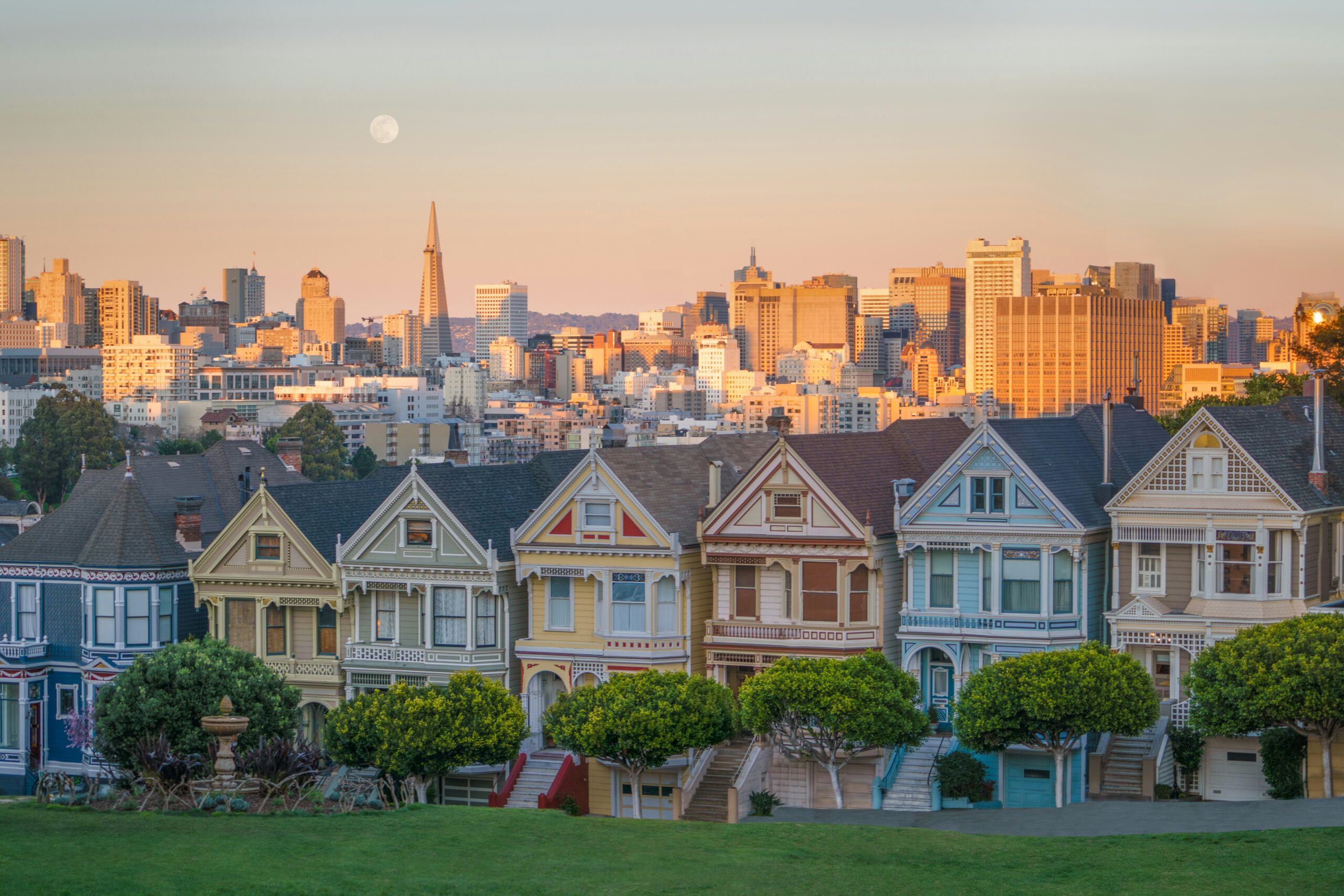
San Francisco’s famous Victorian houses and older buildings often have narrow staircases, few or no elevators and difficult entrances. By contrast, modern residences in Mission Bay, Dogpatch and SoMa may require advance bookings for elevators, loading docks or truck parking. Depending on your shipment size, shared-container shipping can be cost-effective, while a dedicated container may suit a family move or larger furniture shipment.

Build a realistic budget before leaving

Living costs extend beyond rent. Health insurance, childcare, transport and parking can significantly affect monthly spending. Conversely, residents in neighborhoods well served by Muni or BART can often live without a car and save considerably. Evaluate your entire budget rather than comparing headline salaries in France and California.

International Schools and Family Life

Choose a neighborhood with schools in mind

For families moving to San Francisco, housing and school choices should be made together. SFUSD (San Francisco Unified School District) does not automatically allocate children to the school nearest home. Families rank schools by preference, and placements depend on availability and other criteria. Avoid renting solely because a highly rated school is nearby.

Highly sought-after international schools

The Lycée Français de San Francisco offers the French curriculum at several campuses in the region, while the International School of San Francisco provides French-English bilingual education. Check which campus your child would attend before signing a lease: commuting times can vary greatly between Noe Valley, Pacific Heights, Mission Bay and Sausalito.

Family neighborhoods with very different characters

Noe Valley is appreciated for its residential atmosphere, shops and relatively sunny climate. Glen Park appeals to families using BART every day, while Inner Sunset attracts many employees and researchers working at UCSF (University of California, San Francisco, specializing in health sciences). Inner Richmond is also popular for its proximity to Golden Gate Park, local businesses and cultural diversity.

Prepare paperwork before arriving

Schools typically request identity documents, vaccination records, previous report cards and proof of address. Private and international schools often have limited places. If you are still planning your move, our guide to moving to the United States explains the main steps to anticipate. Applying several months before departure can make settling in much easier.

Explore major cities in the United States

Jobs and businesses in San Francisco

A job market that extends far beyond city limits

Living in San Francisco does not necessarily mean working there. Many expats live in the city but work in South San Francisco, a major biotechnology center, or farther south in Silicon Valley, where numerous technology companies are based. Confirm your future office’s exact address before choosing housing so you can assess your daily commute.

One of the most dynamic economies in the United States

The San Francisco Bay Area brings together many industries. Technology remains prominent, from software and artificial intelligence to cybersecurity, while South San Francisco is recognized as a major global biotech hub. The city also supports finance, consulting, healthcare, academic research, law and creative industries.

Commuting patterns strongly influence housing choices

Downtown workers often prefer neighborhoods served by Muni (San Francisco’s city transit network). Those commuting to Oakland or Berkeley mainly use BART (regional rail), while employees in Palo Alto, Mountain View and San Jose rely more on Caltrain (rail service between San Francisco and Silicon Valley). Some expats import a car to make professional travel easier. If you plan to do so, prepare for international vehicle shipping before departure.

Prepare to enter the US job market

Depending on your circumstances, you may need to arrange a Social Security Number (SSN), open a US bank account and start building a credit history. These steps can help not only with employment administration but also with renting a home and accessing everyday services.

Getting Around and Settling into Daily Life

An appealing city that requires some adjustments

San Francisco offers an attractive quality of life thanks to its international outlook, proximity to the Pacific Ocean, many parks and extensive transport network. However, newcomers soon discover that hills, microclimates and living costs strongly influence daily life. It often takes a few weeks to get oriented and adapt to a different routine.

Getting around without necessarily owning a car

Depending on the neighborhood, it is entirely possible to live without a car. Muni (San Francisco’s bus, streetcar and light-rail network), BART (regional rail) and Caltrain (rail linking San Francisco to Silicon Valley) cover many everyday journeys. Other residential areas are less well served and make driving more convenient. Simulate rush-hour commutes before choosing a home to find the right transport option.

Deal with hills, parking and local restrictions

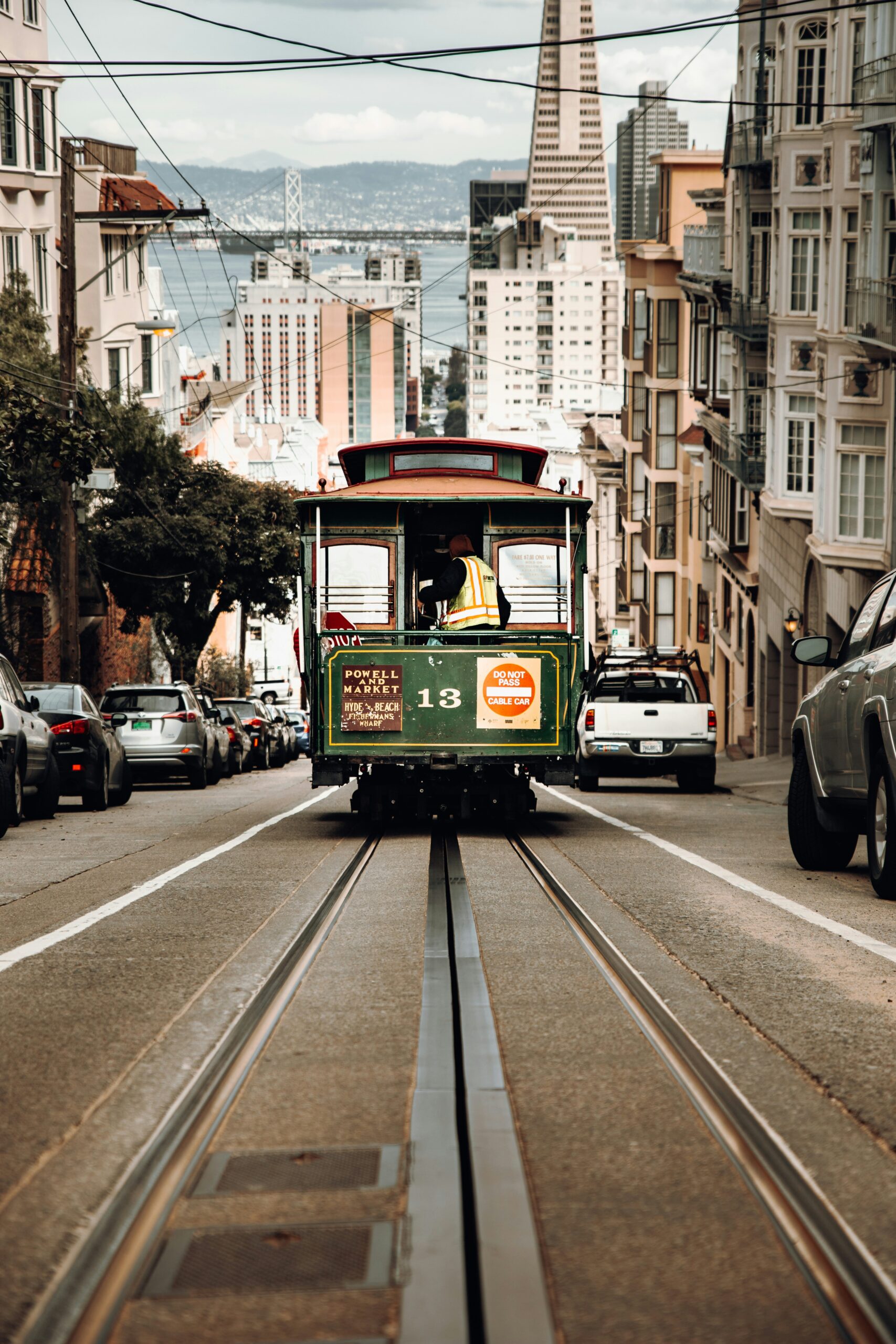
San Francisco’s famous steep streets are part of its character, but they can complicate deliveries and moving day. Parking is regulated, some streets are narrow, and many buildings set specific delivery or elevator-use windows. Planning these details with your moving company helps prevent unexpected problems on arrival.

Prepare for natural hazards

San Francisco lies near several earthquake faults and has some of the strictest building standards in the United States. Nevertheless, prepare an emergency kit, learn local safety procedures and review your home-insurance coverage. To protect belongings during shipping from France, consider international moving insurance appropriate to the value of your furniture.

Settle in successfully for the long term

A successful relocation involves more than transporting your belongings. Gradually exploring your neighborhood and locating shops, medical services, transport and leisure spaces will help you feel at home. Planning these aspects before departure lets you enjoy your new life in San Francisco with greater peace of mind.

Explore other destinations in North America

Frequently asked questions before moving to San Francisco

Before moving to San Francisco, the same questions often arise: housing, neighborhoods, schools, transport, jobs and moving logistics. Here are practical answers to help you prepare.

Why should you know your exact office address before choosing a home?

In San Francisco, a job advertised as being in the “Bay Area” may actually be in South San Francisco, Palo Alto, Mountain View or San Jose. Commuting times vary considerably depending on whether you use BART (regional rail), Caltrain (commuter rail along the Peninsula) or Muni (city transit). Confirm your office address before signing a lease.

Which San Francisco neighborhoods are best suited to families?

Noe Valley, Glen Park, Inner Richmond, West Portal and Inner Sunset are popular for their residential atmosphere, schools and green spaces. Compare local microclimates, commuting times and SFUSD (San Francisco’s public school district) assignment rules, which do not automatically guarantee a place at the nearest school.

Can you rent a home without a US credit history?

Yes, but applications can require more documentation. Landlords often ask for proof of income, an employment contract and references, and may request a higher deposit where legally permitted. Explain that you do not yet have a US credit history (the record used to assess creditworthiness), and consider temporary accommodation so you can view properties before committing.

Are there French schools in San Francisco?

Yes. The Lycée Français de San Francisco offers the French curriculum across several campuses in the region. The International School of San Francisco also offers bilingual education. Check the exact campus location before choosing where to live, as daily commutes can be substantial.

What logistical challenges should you anticipate when moving to San Francisco?

Steep streets, Victorian buildings without elevators, narrow garages and building rules can make deliveries difficult. Some modern residences require elevator, loading-bay and parking reservations. Measure access routes before shipping furniture to avoid unpleasant surprises.

San Francisco

Starting from

2160 €

Join the 1500+ expats who trusted us!

Message us on WhatsApp

Scan this code with your phone camera

EasyGroupage WhatsApp QR code

Prefer a quote?

Your move abroad

From

€1,000 all inclusive

or