À partir de 1178 €

All-Inclusive Moving

Moving to Quebec City

Planning a move to Quebec City means preparing for a very different experience from Montreal or Toronto. Your neighborhood, winter conditions, parking, RTC bus connections, schools, truck access and the July 1 moving season can all shape your arrival. Drawing on its experience with international moves to Canada, Easygroupage highlights the practical points to consider when settling in this French-speaking, family-friendly and largely residential city, where choosing the right neighborhood makes a real difference to everyday life.
4.9
82 déménagés
54 to 69 jours
Moving to Quebec City
Planning a move to Quebec City means preparing for a very different experience from Montreal or Toronto. Your neighborhood, winter conditions, parking, RTC bus connections, schools, truck access and the July 1 moving season can all shape your arrival. Drawing on its experience with international moves to Canada, Easygroupage highlights the practical points to consider when settling in this French-speaking, family-friendly and largely residential city, where choosing the right neighborhood makes a real difference to everyday life.
4.9
82 déménagés

Transit Time: 54 to 69 jours

Preparing to settle in Quebec City

Plan your first weeks in Quebec City

A move to Quebec City requires different preparation from relocating to Montreal or Toronto. The city is more residential and predominantly French-speaking, and everyday life quickly depends on your neighborhood, parking arrangements, RTC bus connections and the season in which you arrive.

Before moving to Quebec City, consider temporary accommodation so you can test journeys between Sainte-Foy, Sillery, Limoilou, Saint-Roch, Charlesbourg and Cap-Rouge. An attractive address may prove less convenient if you need a car every day, have poor transit connections or face winter parking restrictions.

Arrange your initial formalities: a Social Insurance Number (SIN) to work in Canada, a bank account, mobile phone, home insurance, school registration and Quebec public health insurance through RAMQ. Depending on your immigration status, a waiting period may apply before healthcare coverage begins, so temporary private insurance may be useful.

Experience shows that common mistakes include underestimating winter, choosing a neighborhood too far from essential services, searching for housing too late and overlooking the need for a car. Before shipping your belongings, also check building regulations, snow removal, heating and truck access.

For families, housing, schools and transport should be considered together. In Quebec City, good preparation is less about choosing the best-known neighborhood and more about finding one that makes commuting, winter and everyday practicalities manageable.

Best neighborhoods in Quebec City

Choose your neighborhood around winter, transport and lifestyle

When deciding where to live in Quebec City, focus on RTC access, parking, schools, distance to work, housing type and how easily you can manage winter. The city is quieter than Montreal, but mobility deserves careful thought, particularly outside central neighborhoods.

Sainte-Foy is one of the most practical areas for families, students and professionals. Université Laval, Métrobus routes, shopping centers and local services make it a strong choice if you want to avoid relying entirely on a car.

Sillery and Montcalm are more residential, upscale neighborhoods. They appeal to families seeking quieter surroundings, schools, larger homes and convenient services. Housing tends to cost more, but many French-speaking newcomers value their quality of life.

Limoilou and Saint-Roch have a more urban atmosphere. Limoilou offers local shops, neighborhood life and duplex housing, while Saint-Roch attracts young professionals, students and people working in technology. Check parking, noise and building access before committing.

Charlesbourg, Beauport and Cap-Rouge appeal to families seeking more space, quieter streets and potentially better value. In return, a car often becomes more useful for school runs, work and activities.

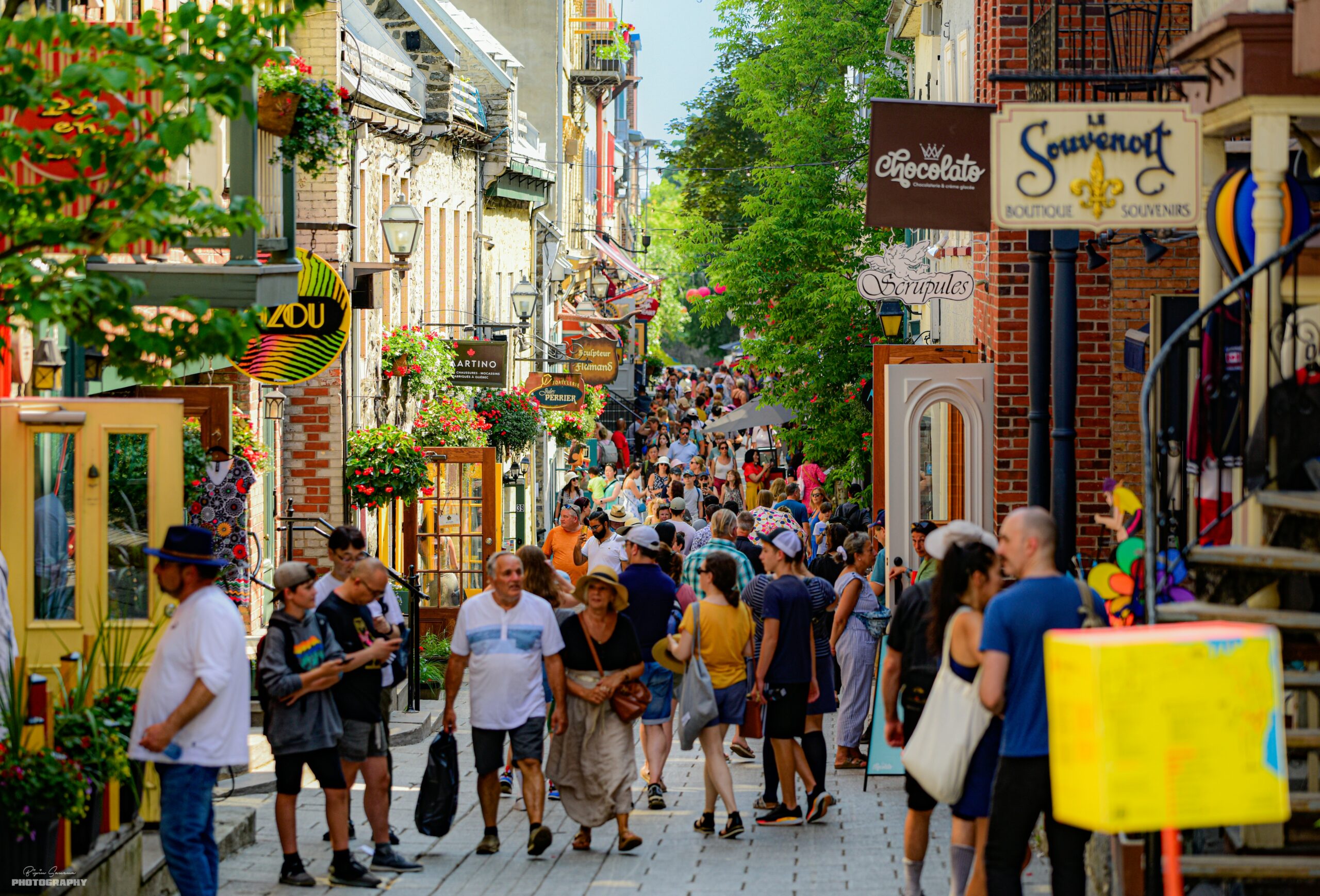
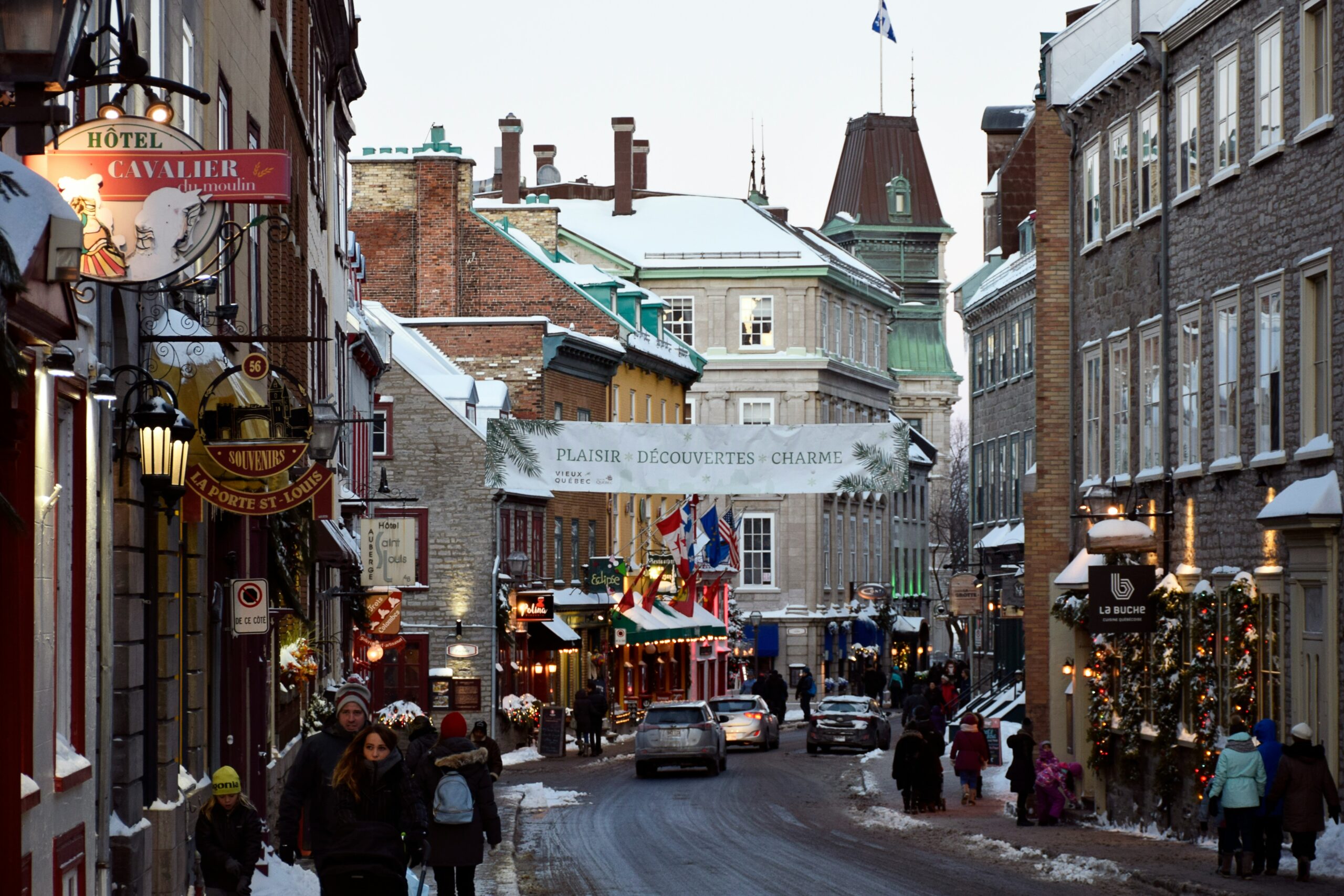
Old Quebec is appealing for its heritage, but less straightforward for a permanent move. Narrow streets, limited parking, tourism and truck access restrictions can complicate deliveries. A well-connected residential neighborhood is often more practical for family life.

  • Families: Sainte-Foy, Sillery, Cap-Rouge and Charlesbourg.
  • Urban lifestyle: Saint-Roch, Limoilou and Saint-Jean-Baptiste.
  • Upscale neighborhoods: Sillery and Montcalm.
  • Convenient living without a car every day: Sainte-Foy, Montcalm, Saint-Roch and Saint-Jean-Baptiste.

Before signing a lease, test your regular journeys and check the school assigned to the address, parking arrangements, heating and access conditions for furniture delivery.

Starting from

1178 €
82+

Join the 1500+ expats who trusted us!

Donia, our moving expert, knows this destination inside out!
Our team can assist you in:
🇫🇷 Français • 🇬🇧 English • 🇪🇸 Español • 🇮🇹 Italiano • 🇵🇹 Português • 🇦🇪 العربية

Main Services

Living in Quebec City

Housing, cost of living, employment, schools, transport and practical advice: discover the essentials for planning your move and everyday life in Quebec City.

Housing and Cost of Living

Housing can be more affordable than in larger cities, but start early

Housing in Quebec City is generally more affordable than in several major Canadian cities, although the rental market remains competitive. The source content cites a 2.2% vacancy rate in 2025, below the level generally regarded as balanced. Well-located family homes in Sainte-Foy, Sillery, Montcalm and Saint-Jean-Baptiste may therefore be rented quickly.

New arrivals may struggle to rent without a Canadian credit history. Prepare evidence of income, references, identity documents and immigration status. Temporary accommodation can help you avoid rushing into a poorly connected location or one that is difficult to manage in winter.

Budget for winter and car ownership

The cost of living in Quebec City goes beyond rent. Check whether heating is included and allow for winter tires, snow clearance, home insurance, parking and, depending on your neighborhood, buying or regularly using a car. Sales taxes and tips also add to many everyday prices.

Outer neighborhoods such as Cap-Rouge, Charlesbourg and Beauport often offer more space but can increase transport costs. Conversely, a well-located home in Sainte-Foy, Montcalm or Saint-Roch may reduce your dependence on a car if it is close to RTC routes.

Check moving-day restrictions

Before shipping your belongings internationally, confirm access to the property. In Old Quebec and Saint-Jean-Baptiste, narrow streets, staircases and limited parking can make delivery difficult. Some Sainte-Foy condos require elevator bookings or specific delivery hours.

July 1 is also a particularly busy moving period across Quebec, with many moves concentrated into just a few days. For a move to Quebec City, book delivery slots early and check parking and building regulations to avoid last-minute problems.

International Schools and Family Life

Plan schooling before choosing your final neighborhood

For families moving to Quebec City, schools should be considered before making a final housing decision. The city is predominantly French-speaking, but the school system follows Quebec rules: public-school placement often depends on your address, documents should be prepared early, and access to English-language public schools is subject to eligibility requirements.

The Centre de services scolaire de la Capitale is a major French-language public school network. Prepare birth certificates, immigration documents, proof of address, school reports and medical records in advance. This helps avoid rushed arrangements if you arrive during the summer or close to the start of term.

For French families, Collège Stanislas de Québec is an important option for French-language and internationally oriented educational continuity. Explore it early, as choosing a private or international school can affect your neighborhood, commute, budget and family routine.

Different family-friendly areas meet different needs. Sainte-Foy offers access to Université Laval, services and transport. Sillery and Montcalm provide a more upscale residential setting. Cap-Rouge, Charlesbourg and Beauport often offer more space but make a car more useful.

Childcare, including CPE early-childhood centers, winter activities and school journeys should all be part of your plan. A successful family move usually comes down to prioritizing schools, RTC connections, parking and winter practicality over a neighborhood’s immediate charm.

Settle in Canada’s major cities

Jobs and businesses in Quebec City

Employment driven by government, healthcare and technology

Quebec City offers fewer opportunities in absolute numbers than a metropolis such as Toronto, but attracts newcomers through its stability, quality of life and well-established economy. Key sectors for people moving to Quebec City for work include healthcare, public administration, insurance, financial services, technology, optics and photonics, artificial intelligence, food production and research.

As the provincial capital, Quebec City is home to major public institutions. The Government of Quebec, Ville de Québec, CHU de Québec–Université Laval, Université Laval, Desjardins, iA Financial Group, Beneva and Ubisoft Québec are among the organizations shaping the local economy. Sainte-Foy is an important center for higher education, research and services, while Saint-Roch is closely associated with technology and entrepreneurship.

Newcomers include French-speaking families, healthcare professionals, researchers, engineers, digital specialists, students, insurance and finance professionals, and people attracted by public institutions. The shared language can make arrival easier for people from France, but adapting to local professional practices remains important.

Prepare a Quebec-style résumé, check recognition requirements and professional orders for regulated occupations, and compare salaries against the actual costs of housing, transport, winter and healthcare. Organizations such as Québec en tête and Québec International can help you understand local hiring sectors and employer expectations.

Professional networking also matters. Before arriving, identify employers near your future home: journeys between Sainte-Foy, Saint-Roch, Lebourgneuf, Sillery and Charlesbourg can significantly affect quality of life.

Getting Around and Settling into Daily Life

Getting around by RTC bus, car and through winter

Transport in Quebec City differs from Montreal: there is no metro. Journeys mainly rely on the RTC bus network, Métrobus services, cars, seasonal cycling and, for some travel, Québec City Jean Lesage International Airport. Test your regular journeys before choosing a home.

Sainte-Foy, Saint-Roch, Montcalm and Saint-Jean-Baptiste are generally more convenient for public transport. In contrast, Cap-Rouge, Beauport, Charlesbourg and some residential areas often make a car more comfortable, especially with children, variable working hours or winter journeys.

The àVélo electric bike-sharing service is useful for short journeys in warmer months, but should not be treated as a year-round solution. Winter genuinely changes daily routines: snow, ice, snow clearance, temporary parking bans and longer travel times all matter when choosing a neighborhood.

Plan your initial administrative steps in the weeks after arrival: obtain a Social Insurance Number (SIN), arrange banking and mobile service, register with RAMQ where eligible, take out home insurance, check driving-license requirements, register children for school and, if needed, arrange temporary private healthcare coverage.

Integration often takes place through a predominantly French-speaking local community: schools, winter activities, libraries, neighborhood events, the Quebec Winter Carnival, Festival d’été de Québec, associations and professional networks. Remember that sales taxes and tips add to displayed prices, cars matter more outside central areas, and winter affects both your budget and moving arrangements.

Explore other destinations in North America

Frequently asked questions about moving to Quebec City

Winter, housing, July 1, Old Quebec, family-friendly neighborhoods, RTC buses, French-language schools and delivery restrictions: these are some of the most common questions when planning a move to Quebec City.

Is Old Quebec a practical place to settle long-term?

Old Quebec offers a unique historic setting, but it is not always the easiest choice for families. Narrow streets, limited parking, tourism and restricted truck access can complicate a move. For a more practical daily routine, many families consider Sainte-Foy, Sillery, Montcalm, Limoilou, Charlesbourg or Cap-Rouge, depending on schools, budget and commuting times.

Can you live in Quebec City without a car?

Yes, in well-connected neighborhoods such as Sainte-Foy, Saint-Roch, Montcalm and Saint-Jean-Baptiste, using the RTC bus network and Métrobus services. However, a car is often more convenient in Cap-Rouge, Beauport, Charlesbourg and some residential areas, especially with children, in winter or for commuting.

Why is July 1 a particularly busy time for moving in Quebec?

Many residential leases in Quebec end around July 1, concentrating a large number of moves into a short period. In Quebec City, availability can become tighter, access routes busier and delivery slots harder to arrange. Secure your housing, parking arrangements and building rules well ahead of that date.

Which Quebec City neighborhoods are best for families with children?

Families often consider Sainte-Foy, Sillery, Cap-Rouge, Charlesbourg, Montcalm and parts of Limoilou. The best choice depends on schools, childcare, public transport, parking and budget. Before signing a lease, check the school assigned to the address, RTC routes and winter travel conditions.

What should you plan for when delivering furniture in Quebec City?

Restrictions vary by neighborhood: narrow streets in Old Quebec, staircases in Saint-Jean-Baptiste and Limoilou, elevators that must be booked in some Sainte-Foy condominiums, limited downtown parking, and snow clearance in winter. Ask for photos of the access points, check permitted delivery times and avoid severe weather when possible.

Quebec

Starting from

1178 €

Join the 1500+ expats who trusted us!

Message us on WhatsApp

Scan this code with your phone camera

EasyGroupage WhatsApp QR code

Prefer a quote?

Your move abroad

From

€1,000 all inclusive

or