À partir de 2100 €

All-Inclusive Moving

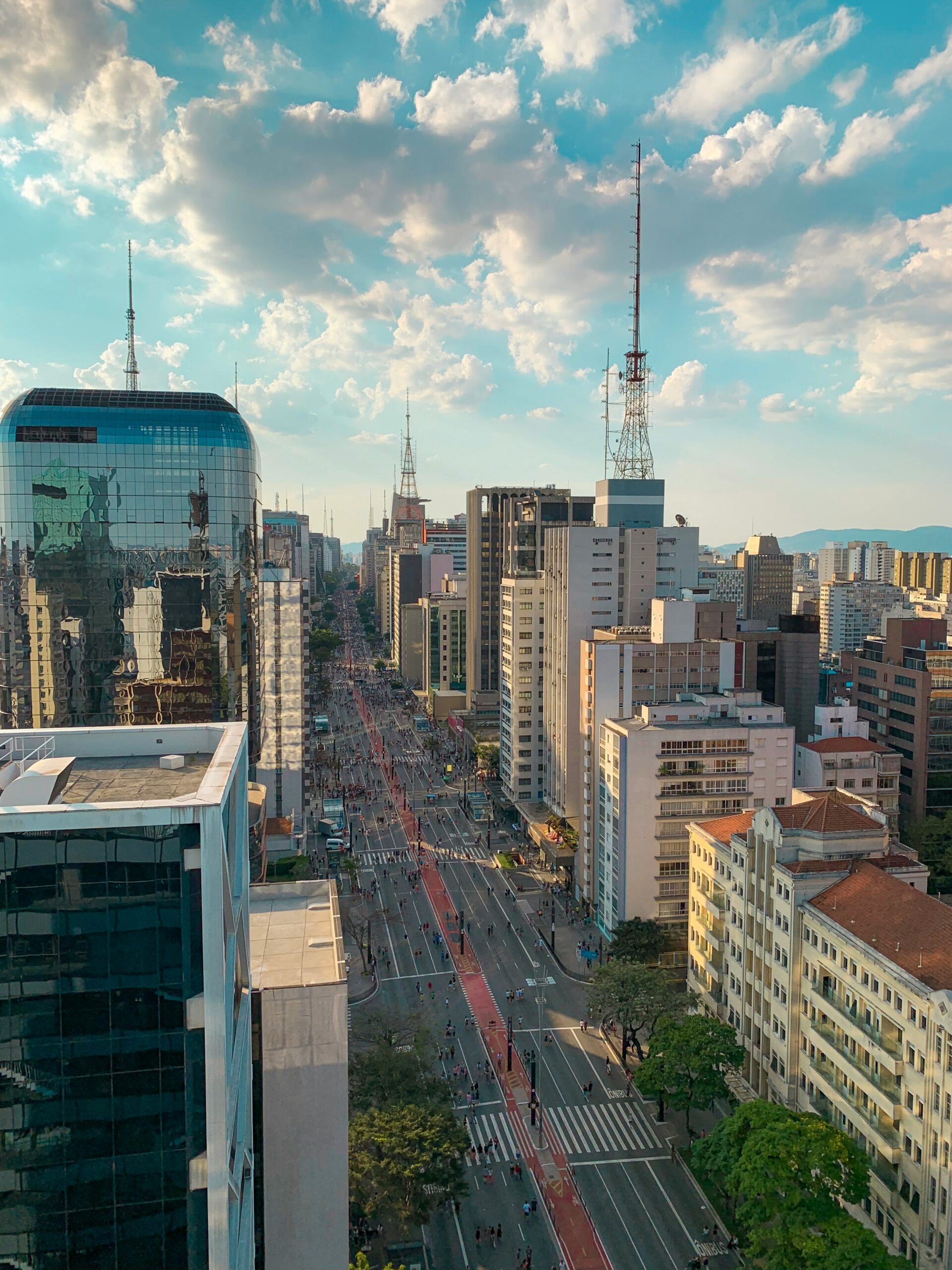
Moving to São Paulo

Planning a move to São Paulo involves far more than transporting your belongings. As South America’s largest metropolis, the city is organised around several business districts, and commuting times have a major impact on where you should live, work and send your children to school. Easygroupage shares practical lessons from international relocations to help you prepare for life in Brazil’s economic capital.

4.9
79 déménagés
84 to 99 jours
Moving to São Paulo

Planning a move to São Paulo involves far more than transporting your belongings. As South America’s largest metropolis, the city is organised around several business districts, and commuting times have a major impact on where you should live, work and send your children to school. Easygroupage shares practical lessons from international relocations to help you prepare for life in Brazil’s economic capital.

4.9
79 déménagés

Transit Time: 84 to 99 jours

Preparing for your move to São Paulo

Plan your move around work, school and transport

Before an international move to São Paulo, organise your plans around daily journeys rather than the prestige of an address. The metropolis has several employment hubs, including Paulista Avenue, Faria Lima, Berrini, Pinheiros, Alphaville and the ABC Paulista industrial region. Two homes only a few kilometres apart can involve very different commuting times depending on metro lines, transfers and traffic.

If you are unfamiliar with the city, renting temporary accommodation for a few weeks lets you explore neighbourhoods before signing a lease. Visit during rush hour rather than relying on photographs or generic recommendations. For a broader overview, read our guide to moving to Brazil.

Prepare essential paperwork before arrival

The Cadastro de Pessoas Físicas (CPF), Brazil’s taxpayer identification number, is required for many everyday tasks, such as opening a bank account, signing service contracts and using local payment methods such as Pix. Check your visa conditions, arrange healthcare cover and prepare any employer-related formalities before you travel.

Families should confirm school arrangements before choosing a home. In São Paulo, daily commuting time has a major impact on family life, so it is generally better to choose a neighbourhood around the school and workplace rather than its reputation alone.

Prepare for delivery to your building

Many apartment buildings operate as a condomínio, with their own building rules. Before shipping your belongings, check permitted moving hours, service-lift reservations, access dimensions and any restrictions imposed by the building management.

Easygroupage also recommends measuring doors, corridors and lifts before departure. This helps avoid shipping furniture that cannot fit into your new home and makes final delivery in Brazil easier to organise.

Best neighbourhoods in São Paulo

Choose a neighbourhood that suits your daily routine

There is no single best place to live in São Paulo. Your choice depends on work, schools, budget and commuting habits. The metropolis has several business hubs, and journeys can easily exceed an hour during rush hour. Compare actual routes between home, work and essential services before choosing an address based on prestige.

Find the right area for your lifestyle

Expats often consider Pinheiros, Vila Mariana, Moema, Brooklin and Jardins for their balance of transport, shops and local amenities. Families seeking larger properties also look at Morumbi, Alto de Pinheiros and Campo Belo. Young professionals may prefer access to the employment hubs of Itaim Bibi, Vila Olímpia and Faria Lima. If you are comparing Brazilian cities, explore Rio de Janeiro, whose urban layout and commuting patterns differ considerably.

Calculate the full cost of housing

Rent is only part of the budget. In many buildings, you must also pay condomínio fees for shared services and maintenance, and potentially IPTU, the municipal property tax, depending on your lease. These costs can represent a substantial share of monthly housing expenses. Ask for the complete recurring cost rather than comparing advertised rents alone.

Check the essentials before signing

Beyond the price, assess proximity to the metro, noise, ventilation, natural light, water pressure, equipment, condomínio rules and access for your international move. Check whether there is a service lift and whether the building restricts delivery hours. Our moving to Brazil guide also covers customs, shipping times and key relocation considerations.

Starting from

2100 €
79+

Join the 1500+ expats who trusted us!

Raphaël, a moving expert with over 20 years of experience, is fluent in Portuguese.
Our team can assist you in:
🇫🇷 Français • 🇬🇧 English • 🇪🇸 Español • 🇮🇹 Italiano • 🇵🇹 Português • 🇦🇪 العربية

Main Services

Living in São Paulo

Housing, cost of living, jobs, schools, transport and practical advice: discover what you need to know to settle into everyday life in São Paulo.

Housing and Cost of Living

Set a realistic budget before departure

The cost of living in São Paulo varies widely by neighbourhood and lifestyle. For expat families, housing, schooling, private healthcare and transport are often the biggest expenses. Build a complete budget before signing a lease instead of comparing rent alone. Our moving to Brazil guide outlines other costs to anticipate.

Include every housing expense

In addition to rent, budget for condomínio fees covering shared facilities and building maintenance, and IPTU municipal property tax if your rental agreement makes you responsible for it. Electricity, water, internet, parking and rental guarantees may also apply. In newer developments these charges can be substantial, making the headline rent a misleading measure of affordability.

Allow for everyday living costs

Locally produced food, neighbourhood restaurants and delivery services can be less expensive than in France. Imported goods, electronics, vehicles, international schools and private healthcare, however, can be costly. Public transport can keep expenses down if your home is well connected to metro or suburban rail services. If you plan to bring a car, consult our international vehicle shipping information to assess the cost and requirements.

Avoid common budgeting mistakes

A cheaper rental may be offset by high condomínio charges, parking fees, the need for a car or long commutes. Compare the total cost of living in each area, including housing, transport, healthcare, schooling and your family’s spending habits. Preparing your international move carefully can also help avoid unexpected arrival costs.

International Schools and Family Life

Start planning school enrolment early

For families moving to São Paulo, school choice often shapes the entire relocation. Start applications several months before departure: some international schools have admissions schedules, assessments and waiting lists. Waiting until you arrive may reduce your options and delay the search for suitable housing.

Choose a school that fits your family

São Paulo offers French, American, British, German and bilingual education. Every school has its own admissions criteria, fees and extracurricular programmes. Compare commuting times between home, school and work before choosing an address. This is an important part of moving to Brazil, where daily logistics can determine quality of life.

Balance housing, school and work

In a city where journeys can be time-consuming, many families choose their neighbourhood after securing school places. Living near the school or a useful metro connection can reduce daily fatigue and make family life easier. If you are choosing between major Brazilian cities, our guide to Rio de Janeiro offers a useful comparison.

Help the whole family settle in

Settling in also means discovering a new way of life. Local sports, cultural events and community groups can help you build friendships, while French-speaking and expat networks offer practical support. Preparing your international relocation in advance helps make the transition smoother.

Discover Brazil’s main cities

Jobs and businesses in São Paulo

Understand São Paulo’s job market

As Brazil’s economic capital, São Paulo is home to major corporate headquarters, banks, consultancies, technology companies and industrial groups. It attracts both employees on international assignments and entrepreneurs expanding into Latin America. Our moving to Brazil guide covers the main steps involved in a longer-term relocation.

Live near your business district

The main business areas include Paulista, Faria Lima, Vila Olímpia, Berrini, Chucri Zaidan and Alphaville. Each has a different business mix and transport challenges. A home with a straightforward commute is often preferable to a fashionable address with poor connections. This is one of the main differences between São Paulo and Rio de Janeiro, where employment hubs are arranged differently.

Prepare employment formalities

Depending on your circumstances, you may need the appropriate visa, a CPF tax number, a local bank account, registration with relevant authorities or a legal structure for your business. Preparing these steps before or shortly after arrival can help prevent administrative delays.

Make your professional relocation easier

A successful move starts with careful planning. Organise your international moving service, allow for shipping times and coordinate the arrival of your belongings with your start date. Easygroupage’s experience shows that planning ahead helps both expatriate employees and entrepreneurs settle in more smoothly.

Getting Around and Settling into Daily Life

Plan journeys around the city’s rhythm

Daily travel times have a major impact on life in São Paulo. Despite one of Latin America’s largest metro, suburban rail and bus networks, rush-hour congestion can be intense. Before choosing a home, test routes between your address, workplace and children’s school to avoid exhausting commutes.

Choose the right transport options

The metro is often the quickest way across the city, with suburban trains extending the network to other areas. Ride-hailing apps are widely used and can reduce the need for a private car in well-connected neighbourhoods. If you do need a vehicle, consider our international vehicle shipping service before making arrangements.

Get settled after arrival

Discovering nearby shops, markets, healthcare services, sports facilities and green spaces will help you feel at home. French-speaking communities and expat networks can also provide practical advice and opportunities to meet people during your first weeks in São Paulo.

Make your move a long-term success

The smoothest relocations are usually those planned in advance. Preparing the paperwork, shipment and daily routine makes adapting easier. Read our guides to international moving and moving to Brazil for more advice on settling into the country.

Explore other destinations in South America

Frequently asked questions about moving to São Paulo

Neighbourhoods, the metro, schools, budgets and apartment-building deliveries: here are the key decisions to make before settling in São Paulo.

Vila Mariana or Moema: which neighbourhood is better for families?

Vila Mariana is especially convenient for families looking for several metro connections, access to Lycée Pasteur and relatively quick journeys to Paulista Avenue and major hospitals. Moema offers a family-friendly environment, local amenities and Line 5-Lilás, but aircraft noise from Congonhas Airport varies significantly from street to street. Compare school runs, office commutes and noise levels before deciding.

Is Morumbi a convenient neighbourhood for expats?

Morumbi offers spacious homes, gated residential developments (condomínios) and proximity to Graded School, Albert Einstein Hospital and family houses. However, the name covers very different micro-areas in terms of metro access, safety, steep streets and traffic. A commute to Paulista can take 35 to 80 minutes. Check the exact district on GeoSampa and test the last leg of your journey before renting.

How much does it cost to live comfortably in São Paulo?

As indicative monthly budgets, a single person seeking a comfortable lifestyle may need around BRL 8,000–15,000, a couple BRL 13,000–24,000, and a family without international-school fees BRL 20,000–35,000. Add condomínio charges, IPTU property tax, parking, healthcare and transport to the rent. With two children in international schools, a family budget can often reach BRL 35,000–65,000 or more. These are estimates, not fixed prices.

Where should you live if your children attend Lycée Pasteur?

Lycée Pasteur is located between Vila Mariana and Aclimação. Vila Mariana, Aclimação, Paraíso and Chácara Klabin are therefore convenient choices, with access to Metro Lines 1-Blue, 2-Green or 5-Lilac depending on the address. Confirm availability, tuition fees and the school calendar before signing a lease, and test the journey at 7 a.m. and in the late afternoon.

Will my shipping container arrive directly in São Paulo?

No. The main seaport used is Santos, outside São Paulo. After port and customs procedures, household goods travel by road to the city for final delivery. Timing depends on customs clearance, traffic on the Santos–São Paulo route, truck restrictions and your building’s approved delivery slot. Arrange parking, loading access, the service lift and any temporary storage in advance.

Sao Paulo

Starting from

2100 €

Join the 1500+ expats who trusted us!

Message us on WhatsApp

Scan this code with your phone camera

EasyGroupage WhatsApp QR code

Prefer a quote?

Your move abroad

From

€1,000 all inclusive

or