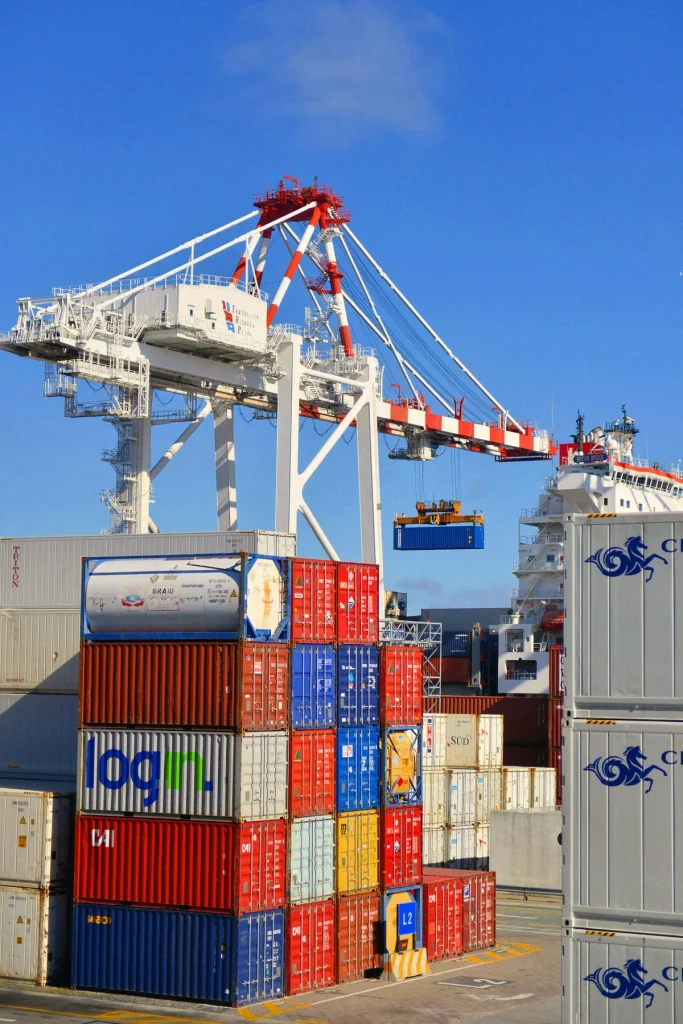
All-Inclusive Moving
Transit time: 84 to 99 jours
Before moving to Brazil, gather as much information as possible about your future property: floor plans, access dimensions, door widths, lift capacity and building rules. In major cities such as São Paulo, Rio de Janeiro and Brasília, many buildings require the use of a service lift or specific delivery slots. Checking these details helps you decide which furniture is worth shipping and avoids difficulties on delivery day.
Brazil mainly uses 127 V or 220 V electrical networks, depending on the region, city and sometimes even the property. Before finalising your inventory, check the voltage available in your new home and whether your appliances are compatible.
Brazilian type N sockets generally require an adapter, but an adapter does not change the voltage.
Depending on your destination, your belongings may be exposed to tropical conditions, high humidity or sea air. Wooden furniture, books, artwork, musical instruments and leather goods need particularly careful protection. Before packing, all belongings must be thoroughly clean and dry to prevent moisture problems during ocean shipping.
If you are shipping fragile items, antique furniture or valuable artwork, plan their professional packing in advance to ensure suitable protection throughout the journey.
In Brazil, customs documentation directly determines when your shipment can leave. Before loading, obtain approval from the local agent to ensure every document is in order. The Cadastro de Pessoas Físicas (CPF), Brazil’s individual taxpayer identification number, is required to import household goods. Depending on your circumstances, a temporary or permanent visa is also required. A tourist or business visa does not allow household goods to be cleared through customs. Checking everything beforehand helps avoid costly delays and shipments being held on arrival.
Brazilian customs requires detailed inventories written in Portuguese, clearly separating used belongings from new items. Electrical and electronic appliances must be described individually, including brand, model and serial number. Vague descriptions or undeclared new items can lead to further inspections, customs duties or penalties.
The moving schedule is just as important as the paperwork. Customs clearance cannot begin until the owner has entered Brazil and registered their status with the relevant authorities. Shipping a container too early may result in it being held at the port and additional charges. Coordinate your travel dates, sea freight shipment and final delivery.
Some items require particular care before packing. Food, drinks, medicines, plants, weapons and hazardous products may be restricted or require specific authorisation. Private vehicles generally cannot be imported as part of a standard household move. If you are considering shipping a vehicle, our international car shipping page explains the main circumstances in which this may be possible.
Contact our international moving experts for free.
Via WhatsApp
Via Email
Via Phone
Starting from
Join the 1500+ expats who trusted us!
Raphaël, a moving expert with over 20 years of experience, is fluent in Portuguese.
Our team can assist you in:
🇫🇷 Français • 🇬🇧 English • 🇪🇸 Español • 🇮🇹 Italiano • 🇵🇹 Português • 🇦🇪 العربية
“For Brazil, I always ask customers to wait for our go-ahead before their container leaves. The CPF, stamped visa and Portuguese-language inventory must all match, right down to serial numbers: a single missing document can hold up the entire shipment at the port.”
The cost of moving to Brazil depends on more than the volume shipped. Your arrival port and the distance to your final destination significantly affect the overall price. Santos serves São Paulo and much of south-eastern Brazil, while Rio de Janeiro, Salvador and other ports may be more suitable depending on where you are settling. The further your delivery address is from major port routes, the greater the share of the quote attributable to inland transport.
For a few pieces of furniture or boxes, shared container shipping (LCL) is often a cost-effective option. Several household moves travel in the same container, and each customer pays only for the space used. However, departure depends on consolidating the shipments, and delivery takes place after the cargo has been sorted and separated in Brazil. This option works best if you can be flexible about timing.
Good preparation can prevent many extra charges. Incomplete customs paperwork, the owner arriving after the container or a last-minute change of delivery address can result in storage, handling or port detention fees. Checking property access before delivery also reduces the risk of needing a second transfer using a smaller vehicle.
The best option depends on your shipment volume, schedule and desired flexibility. For larger moves, our dedicated container (FCL) service provides a container reserved for your furniture. Smaller shipments can benefit from shared container shipping to keep transport costs under control.
Once customs clearance is complete, a successful move depends largely on delivery planning. In many Brazilian residential buildings, the condomínio (the condominium and its rules) sets delivery hours, requires a service-lift booking or demands prior authorisation from the síndico (the building manager). Share these requirements with your mover before the container arrives to avoid delays on delivery day.
As items are unloaded, check each package against your inventory and inspect furniture, electronic appliances and fragile items before the team leaves. If you notice damage, keep the relevant packing materials and report it immediately in writing. This makes any insurance claim easier to process. If you have taken out specific cover, our guide to international moving insurance explains the main types of protection available.
Before plugging in electrical appliances, check the voltage available in each room. Depending on the region and property, some sockets operate at 127 V and others at 220 V. Open boxes containing books, textiles or wooden furniture promptly to release any residual moisture from the sea journey.
The first few days often involve arranging your home, receiving the remaining equipment and handling everyday practicalities. A smooth transition starts with advance planning: selecting what to ship, preparing a complete customs file, organising transport and checking delivery access. If you are moving to a major city, explore our guides to São Paulo, Rio de Janeiro and Salvador de Bahia for advice specific to each destination.
A smooth, affordable and fully organised international move.
At Easygroupage, we take care of every aspect of your move, so you can focus on settling into your new home with peace of mind.
Choosing Easygroupage means choosing a reliable, transparent and responsible partner for your international move.
Most of our customers are moving abroad. Others are shipping new furniture, inherited belongings or personal items to a second home. Whatever your situation, request a personalised quote.
*Available for selected destinations only.
All-risk insurance is required to protect your belongings during international transport.
Sea freight transit times are estimates and may vary depending on port conditions and logistical disruptions.
Our teams help you navigate the administrative formalities required for your international move.
CPF, visas, Portuguese-language inventories, arrival dates and restricted goods: here are the key answers before shipping your furniture to Brazil.
The paperwork generally includes the sea or air waybill, certified copies of your passport, your temporary or permanent visa, your CPF and separate inventories of new and used belongings written in Portuguese. Depending on your status, the local agent may also request a residence permit, employment contract, baggage declaration or customs guarantee. The container should only leave once all documents have been approved.
Yes. The CPF, Brazil’s individual taxpayer identification number, is essential for importing household goods. It must be obtained before shipping and provided to the local agent with the other documents. For some shipments, particularly those of Brazilian residents returning home, the address registered with the CPF must match the final delivery address. Any discrepancy should be corrected before loading.
Yes. Customs clearance can only begin after the owner has arrived in Brazil and their visa or residence status has been registered with the relevant authorities. The IAM guidance cited in the French source states that the procedure must begin within 90 days of the customer’s arrival and that the goods must enter Brazil within 180 days. Household goods cannot be cleared on a tourist or business visa.
The French source states that imports of private passenger cars are prohibited for Brazilian citizens and foreign nationals holding temporary or permanent visas, with exceptions mainly for certain diplomats and members of international organisations. Do not load a vehicle with your household goods without specific approval. A car shipped without the necessary authorisation may be held at the port and incur substantial charges.
All electrical and electronic appliances must be listed with their brand, model and serial number. New items must appear separately on the inventory; otherwise, duties and fines may apply if they are discovered during inspection. Food, drinks and medicines should not be included without prior approval. Alcohol, cosmetics and certain regulated products may attract significant taxes or require authorisation.
Starting from
Join the 1500+ expats who trusted us!

We waited to make sure you were interested in the content of this site before interrupting, but we'd love to accompany you during your visit... Is that okay with you?
Scan this code with your phone camera
Prefer a quote?
From
€1,000 all inclusive