All-Inclusive Moving
Transit Time: 84 to 99 jours
Before moving to Salvador de Bahia, consider booking temporary accommodation to test the journey between home, school and work. The city is organised around the waterfront (Orla), the city centre (Centro), Avenida Paralela and the airport corridor. A pleasant coastal address may be impractical if you work in Camaçari or your children attend school in Patamares. Check journey times at the actual time of day, ideally during heavy rain.
Families considering the Pan American School of Bahia should confirm admission before signing a lease. Patamares, Piatã, Alphaville Salvador, the Paralela corridor and Stella Maris generally shorten the school run. A common mistake is choosing Barra for its seaside lifestyle, only to discover that reaching Patamares can take 35–75 minutes.
A CPF (Brazilian taxpayer identification number) makes it easier to open a bank account, rent a home, arrange a mobile contract and use Pix, Brazil’s widely used instant payment system. Prepare immigration registration, private health insurance and school documents before arrival. Practical Portuguese is important when dealing with banks, healthcare providers, schools and condominium management.
Salvador’s climate calls for additional checks: ventilation, air conditioning, water damage, damp cupboards and corrosion on windows exposed to sea spray. Consult Codesal, the local risk-alert service, and GeoSalvador before choosing a property on a slope or with a low-lying garage.
Finally, plan your shipment around lift dimensions, condominium delivery hours and the Carnival calendar. Keep essentials for several weeks in your arrival kit in case customs clearance, key collection and delivery schedules do not align.
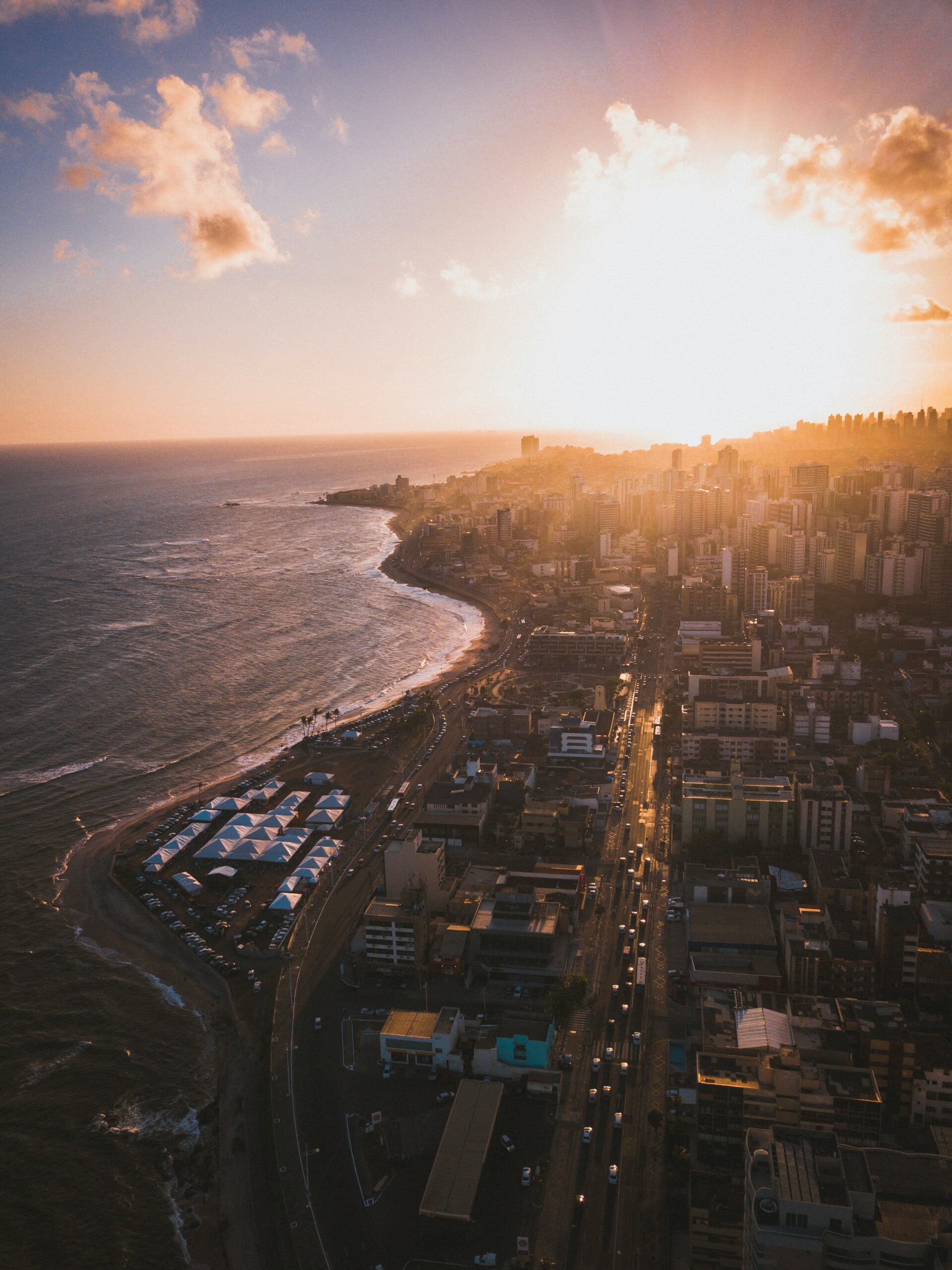
When deciding where to live in Salvador de Bahia, start with your daily commuting corridor. Waterfront neighbourhoods offer outdoor living and access to some central districts, while Patamares, Imbuí and Alphaville are better positioned for Avenida Paralela, the airport and jobs across the metropolitan area.
Barra is one of Salvador’s more walkable areas, with shops, a seaside promenade and relatively convenient access to the city centre. Indicative rents often range from R$3,500 to over R$9,000, depending on the view, parking and building condition. Check noise levels during Carnival and major events. Graça offers a quieter, more residential family atmosphere, although hills and the lack of a nearby metro station make some addresses less convenient without a car.
Pituba, Itaigara and Caminho das Árvores bring together offices, shopping centres, private schools and healthcare facilities. They suit professionals working in services, consulting or regional headquarters. Assess traffic and high-rise density street by street. For a potentially more affordable option with access to the metro and Paralela, Imbuí can offer a good compromise.
Patamares is often the most practical choice for families attending the Pan American School of Bahia. Condominium developments frequently provide parking and shared amenities, but a car is usually needed. Piatã and Stella Maris offer more space and easier airport access, at the cost of a longer journey to the city centre.
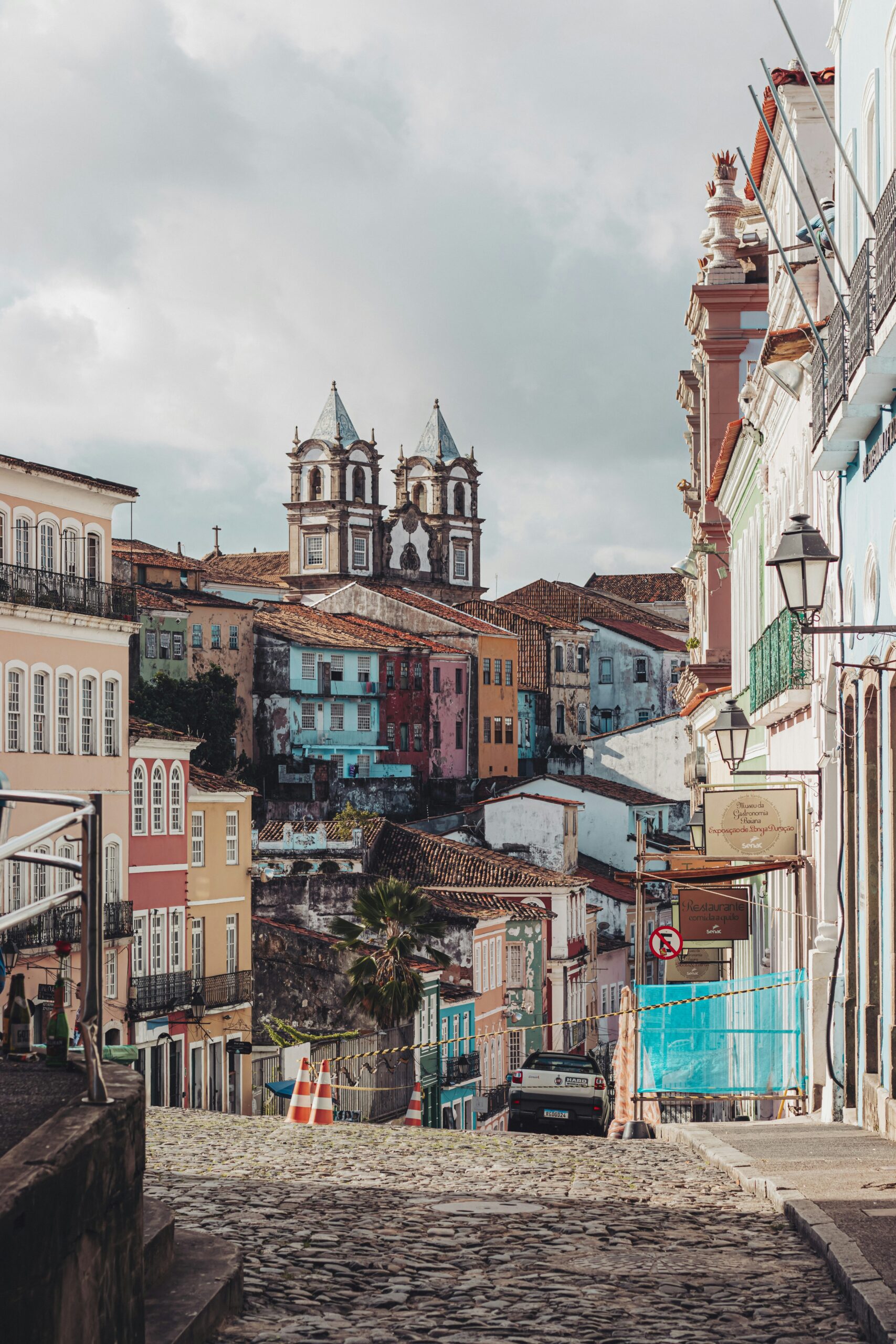
Rio Vermelho appeals to young professionals looking for restaurants and cultural life; visit in the evening to assess noise. Vitória and Horto Florestal are more upscale, although Horto is highly car-dependent. Federação and Canela suit some UFBA students and staff, while Santo Antônio Além do Carmo offers historic surroundings with genuine parking and delivery constraints.
Contact our international moving experts for free.
Via WhatsApp
Via Email
Via Phone
Starting from
Join the 1500+ expats who trusted us!
Raphaël, a moving expert with over 20 years of experience, is fluent in Portuguese.
Our team can assist you in:
🇫🇷 Français • 🇬🇧 English • 🇪🇸 Español • 🇮🇹 Italiano • 🇵🇹 Português • 🇦🇪 العربية
Salvador offers waterfront apartments, modern towers along Avenida Paralela and houses or condominium developments around Patamares, Alphaville and Stella Maris. Family accommodation typically costs R$6,000–R$14,000 per month, but Vitória, Horto Florestal, Graça and parts of Pituba can exceed that range.
Advertised rent does not always include condomínio (condominium maintenance and service fees) or IPTU (municipal property tax). Together, these can add R$1,000 to over R$3,500 to a family’s monthly costs, especially in developments with a pool, gym, security staff and multiple parking spaces.
New arrivals are generally asked for a CPF, proof of income, an employment contract and references. Depending on the landlord, security may take the form of a fiador (guarantor), caução (deposit), seguro-fiança (rental guarantee insurance) or a capitalisation bond. Seguro-fiança can help renters without a Brazilian guarantor, but its cost is non-refundable. Check the agent’s registration with CRECI-BA and do not pay before verifying the property and contract.
In Salvador, a sea view can mean higher maintenance costs. Inspect hinges, windows, metal fittings and air-conditioning units for salt-air damage. After rain, open cupboards, check walls and ask whether the garage has ever flooded. Good natural ventilation can significantly reduce air-conditioning use and electricity bills.
A family without international-school fees might budget around R$16,000–R$28,000 per month. With two children at the Pan American School, monthly costs can reach R$28,000–R$50,000 or more. Private healthcare, a car, imported products and tuition can offset much of the apparent cost advantage over France. Avoid comparing rent converted into euros without accounting for fees, exchange rates, air conditioning and driving.
For families moving to Salvador de Bahia, school choice can determine the entire housing search. The Pan American School of Bahia (PASB) is located in Patamares and serves students aged 2–18, offering Brazilian, American and IB pathways. International families therefore often prioritise Patamares, Piatã, Alphaville Salvador, Avenida Paralela or Stella Maris over more central waterfront neighbourhoods.
Confirm a place before signing a lease, then test the journey at 7 a.m. Barra may seem close on a map, but the school run to Patamares can take 35–75 minutes depending on traffic and rain. Check school-bus coverage for the exact address: not every condominium is served.
Pituba, Itaigara, Caminho das Árvores and parts of the Paralela corridor have private bilingual schools, but bilingual instruction does not automatically mean an international curriculum. Ask about teaching languages, qualifications, academic calendar, enrolment fees, meals, extracurricular activities and transport.
Municipal public schools teach in Portuguese, with local placement and varying availability. They may suit families already familiar with the Brazilian system, but are not necessarily the first choice for a new international arrival.
PASB follows a North American-style academic calendar, which may differ from your child’s previous school year. Prepare school reports, certificates, vaccination records and identity documents several months ahead. For two children attending international school, the family budget may reach R$28,000–R$50,000 per month or more once housing, private healthcare and a car are included.
Common pitfalls include applying too late, overlooking additional fees and choosing a home before securing a school place. In Salvador, the safest sequence is: school, school transport, commuting corridor, then neighbourhood.
The employment area extends well beyond city limits. Many industrial jobs advertised in the region are actually in Camaçari, Simões Filho or Lauro de Freitas. The Camaçari industrial and petrochemical complex employs engineers, maintenance specialists, HSE managers, project managers and supply-chain professionals. The Salvador–Camaçari commute can take 45–100 minutes, so confirm the exact workplace before choosing a home.
For industrial or logistics roles north of the city, Patamares, the Paralela corridor, Stella Maris or Lauro de Freitas may be more practical than Barra. A common mistake is choosing the waterfront for its lifestyle and then facing a difficult cross-city commute.
Services, consulting, banking and regional headquarters are concentrated around Caminho das Árvores, Pituba, Itaigara and Comércio. Logistics centres on the Port of Salvador, Aratu facilities, Cidade Baixa, the airport and industrial municipalities in the metropolitan area. Tourism, hospitality and events are prominent along the waterfront, in the historic centre and towards the northern coast.
Healthcare and research activity includes Aliança, São Rafael and Português hospitals, UFBA and Fiocruz Bahia. Brotas, Horto Florestal and Canela can therefore be convenient residential areas. UFBA, UNEB and private institutions also employ researchers, lecturers and administrative staff.
Professional Portuguese is needed in most workplaces, even when a company has international clients. Prepare a Brazilian Portuguese CV, use LinkedIn, Gupy and Vagas, and build connections through CCFB, the Alliance Française and industry associations.
Before relocating to Salvador de Bahia for a job, compare take-home pay against private healthcare, a car or shuttle, meals and school fees. Regulated professions should also check qualification recognition and professional registration before departure.
To live in Salvador de Bahia without spending hours commuting, choose carefully between the waterfront (Orla), the city centre, Avenida Paralela and the airport corridor. The metro links parts of central Salvador, Paralela and Salvador Bahia Airport, but coverage is limited. The BRT (bus rapid transit network with dedicated corridors) serves additional routes, while conventional buses cover much of the city but are more affected by traffic.
Journey times vary: Barra–Comércio generally takes 20–45 minutes, Barra–Patamares 35–75 minutes and Stella Maris–Centro 45–90 minutes. Heavy rain, steep roads, overpasses and major junctions can add delays. Test the route at the time you will actually travel and plan an alternative.
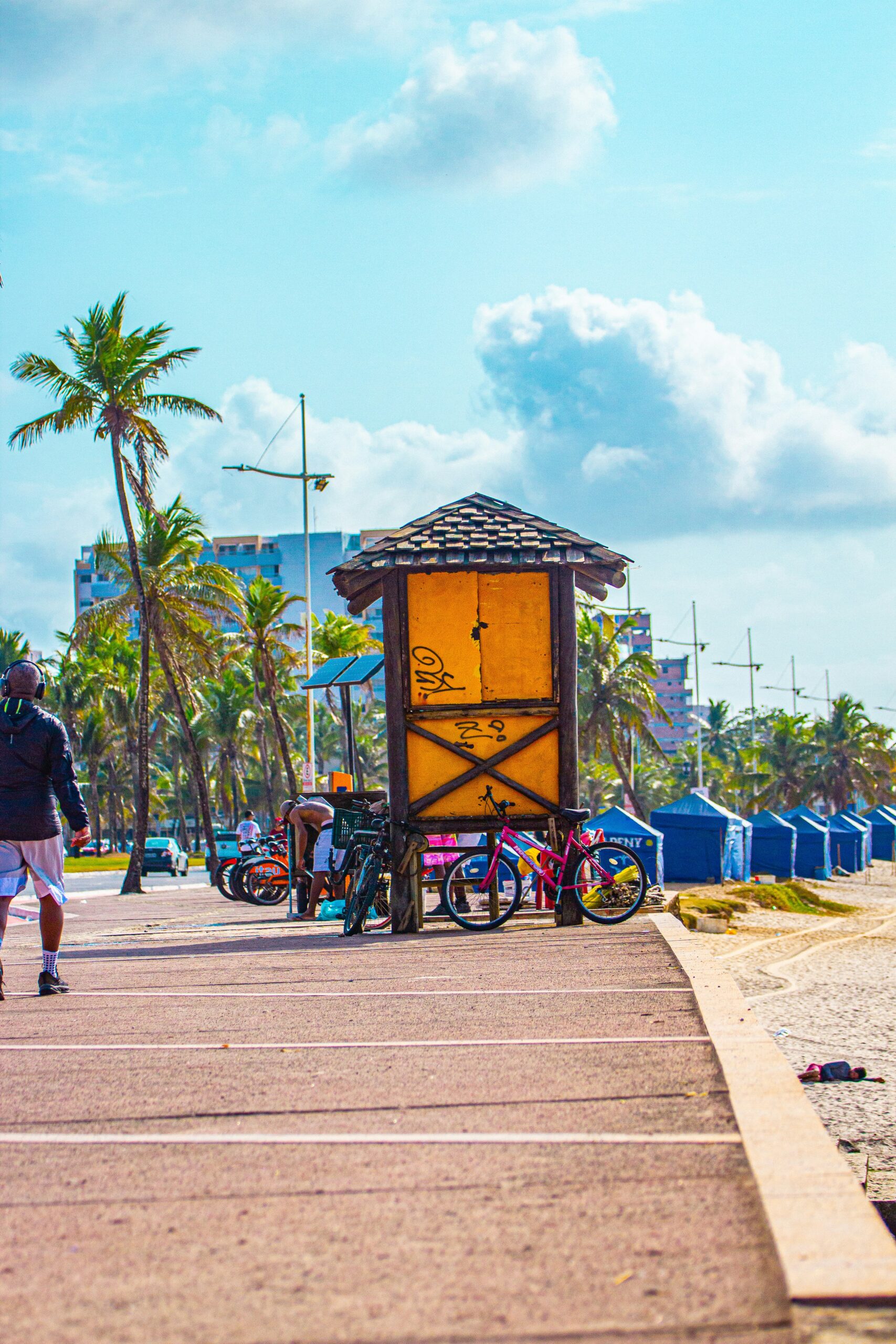
A car is often useful in Patamares, Alphaville Salvador, Horto Florestal and Stella Maris, but brings parking, congestion and salt-air maintenance costs. In Barra, some daily errands can be done on foot. Cycling is often better suited to leisure rides along the waterfront than regular commuting in heat, rain or hilly streets.
A CPF (Brazilian taxpayer identification number) helps with banking, mobile contracts and access to Pix, now central to everyday payments. Banks often request a passport, proof of address and immigration documents. For home internet, confirm fibre availability in the actual building and test mobile reception inside the apartment.
The SUS (Brazil’s public healthcare system) may be available depending on your circumstances, but many expats choose private health insurance. Check the hospital network, waiting periods, emergency care, maternity and dental cover, particularly around Brotas, Horto, Itaigara and Paralela.
Check Codesal for rainfall and hazard alerts and Transalvador for traffic updates. Carnival, the Lavagem do Bonfim festival and other major events can temporarily disrupt Barra, Ondina and the city centre. At night, use ride-hailing services in unfamiliar areas, avoid displaying your phone and assess safety street by street and at different times rather than relying only on a neighbourhood’s overall reputation.
Neighbourhoods, international schools, commuting, humidity and delivery logistics: here are the key decisions to make before settling in Salvador.
Barra suits families looking for a more walkable coastal neighbourhood, with shops and easy access to central areas. Patamares is better placed for the Pan American School of Bahia and Avenida Paralela, but a car is often essential. Choose based on the school and workplace, and test the journey at 7 a.m. and in rainy weather before signing a lease.
Yes, especially in Barra, Graça, Imbuí and some areas close to metro stations, shops and services. A car is more useful in Patamares, Horto Florestal, Alphaville Salvador and Stella Maris. A station that looks close on a map may still be difficult to reach because of hills, overpasses or connections. Test your daily routes before choosing a home.
Family accommodation generally costs between R$6,000 and R$14,000 per month, depending on the neighbourhood, with higher rents in Vitória, Horto Florestal and Graça. Add condominium fees, IPTU property tax, electricity, air conditioning and possibly parking. These additional charges can exceed R$3,500 in a well-equipped building. Compare the total monthly cost rather than the advertised rent alone.
The Pan American School of Bahia is in Patamares. Families often consider Patamares, Piatã, Alphaville Salvador, the Avenida Paralela corridor or Stella Maris. Barra may look nearby on a map, but the journey can take 35–75 minutes. Confirm school availability, the North American-style calendar, additional fees and school transport before choosing a home: not every condominium is served.
Persistent humidity and coastal salt air can encourage mould and corrosion. Suitable packing is therefore recommended for wood, metal, electronics and items stored for extended periods. Before delivery, measure the lift, book the condominium’s permitted delivery slot and check parking access. Avoid heavy-rain periods, Carnival and streets affected by trio elétrico parade routes to reduce delays and prolonged handling.
Starting from
Join the 1500+ expats who trusted us!

We waited to make sure you were interested in the content of this site before interrupting, but we'd love to accompany you during your visit... Is that okay with you?
Scan this code with your phone camera
Prefer a quote?
From
€1,000 all inclusive