À partir de 1140 €

All-Inclusive Moving

Moving to Melbourne

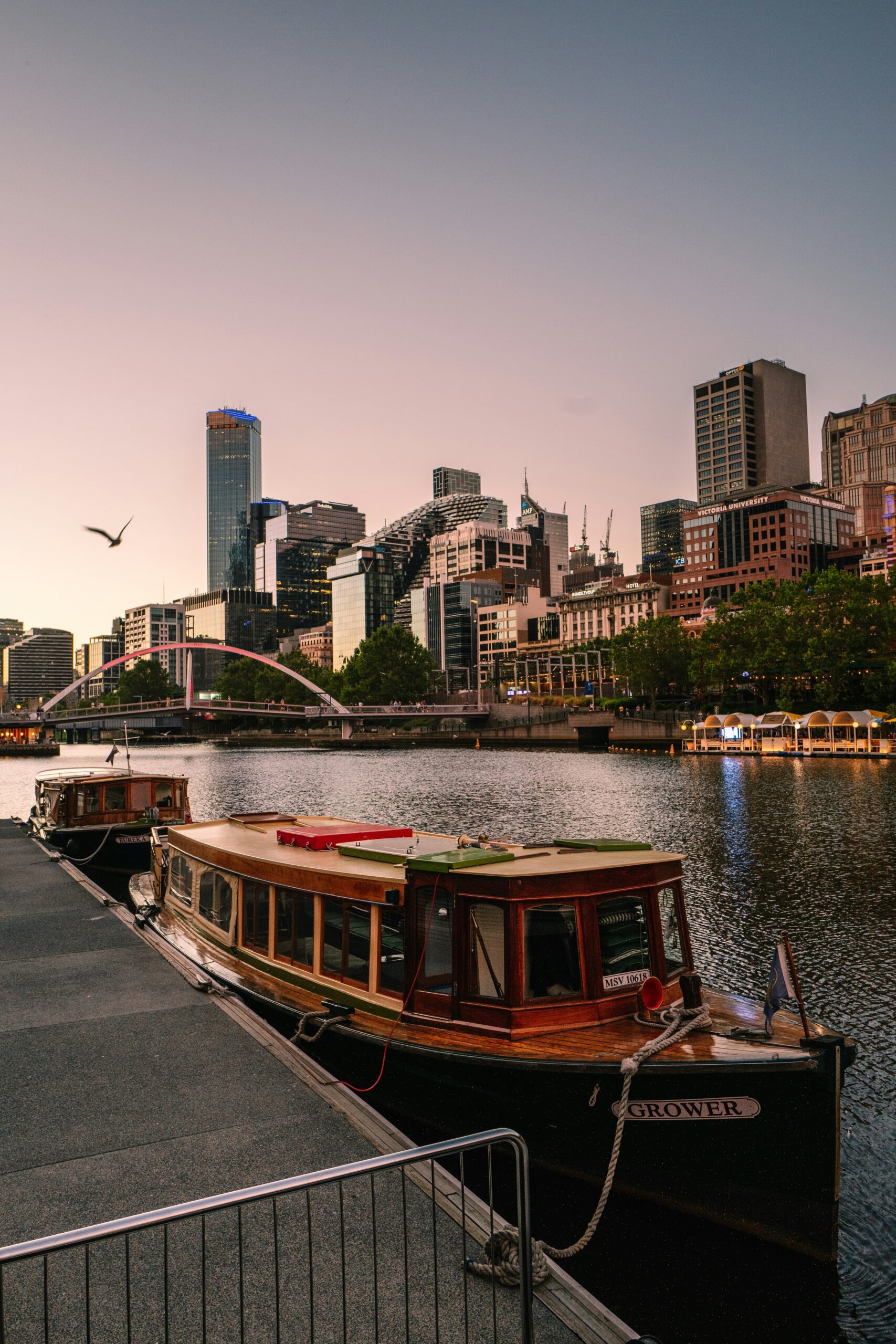
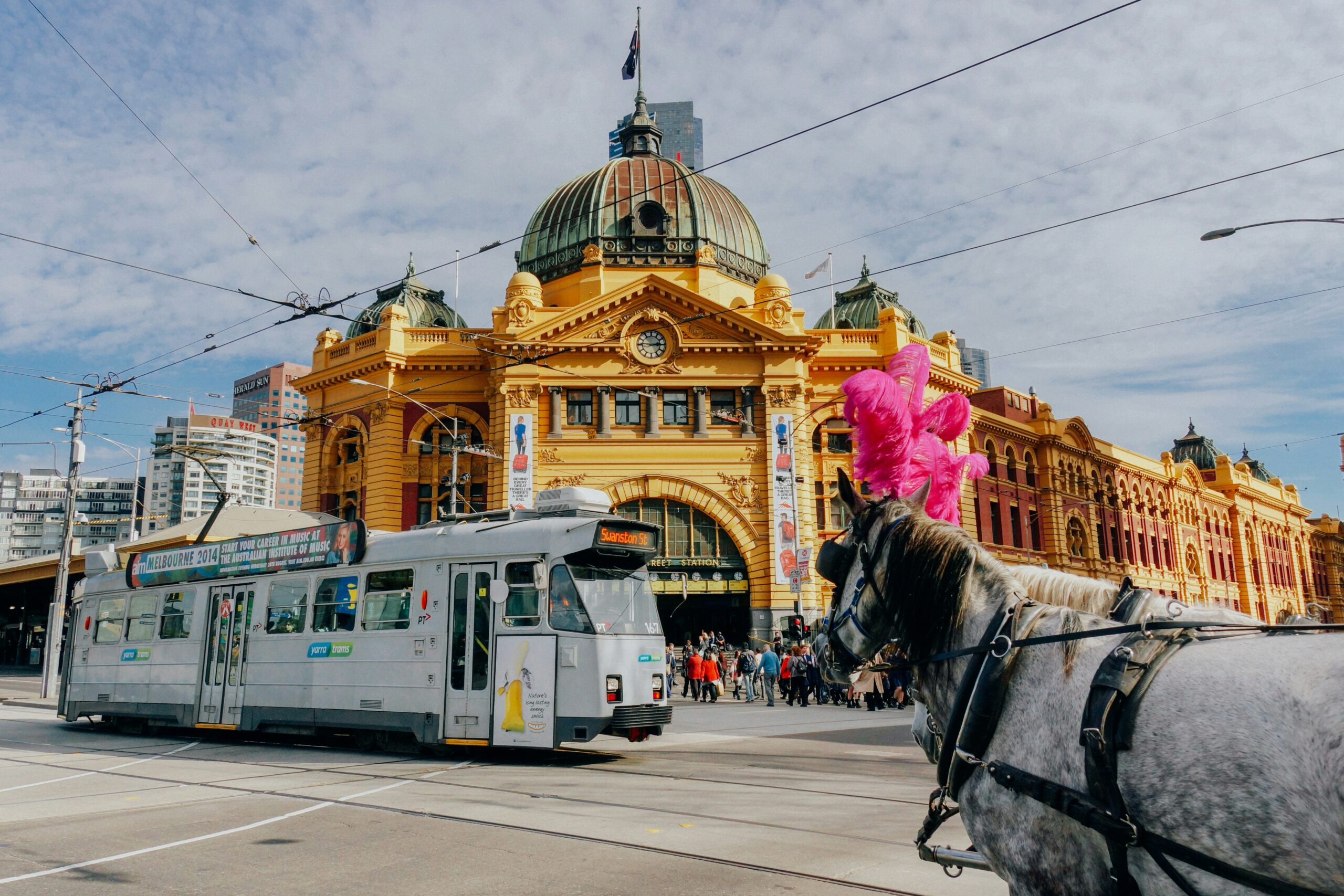
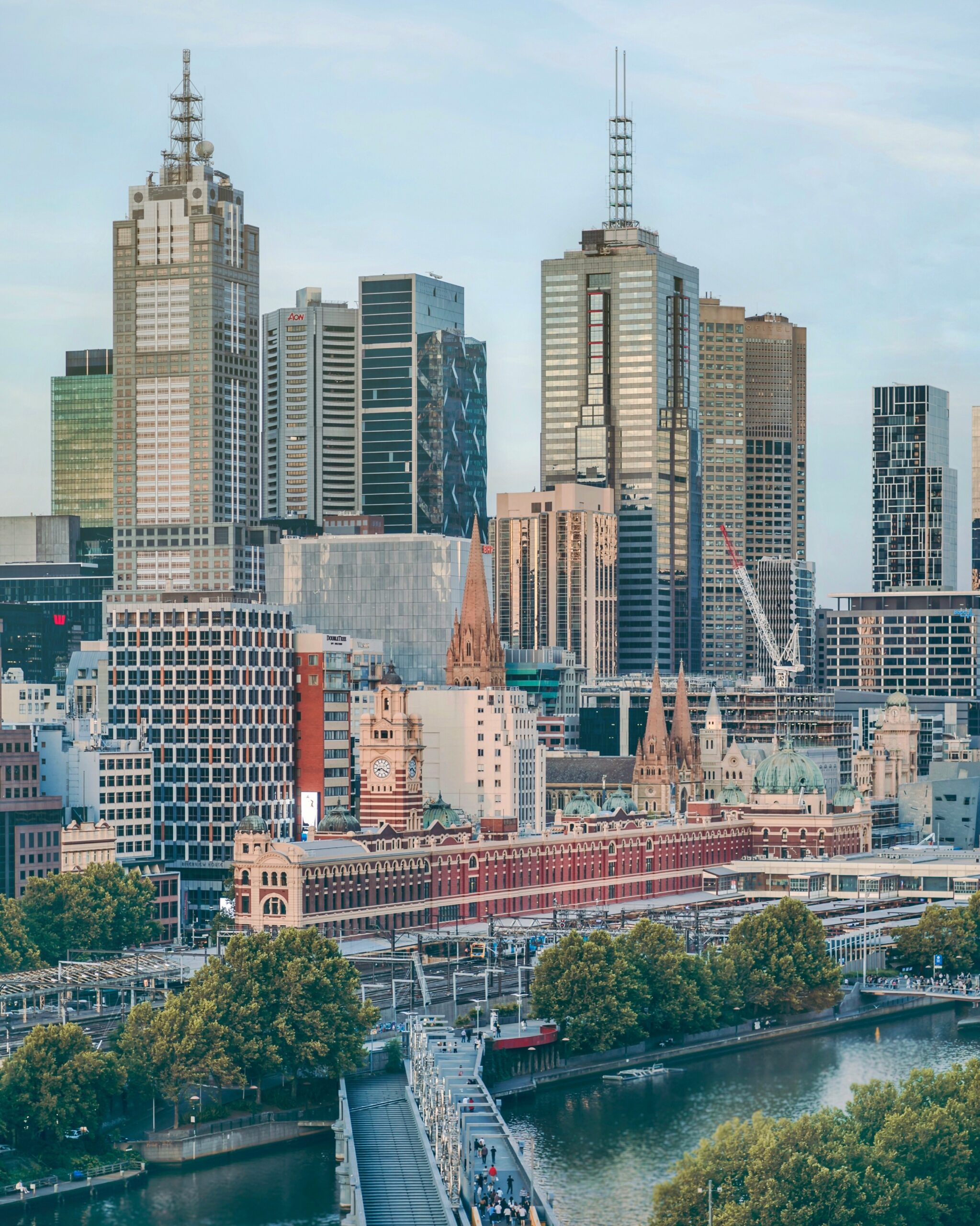
Planning a move to Melbourne involves much more than shipping your belongings. As the capital of Victoria, this city of more than five million people is known for its cultural life, distinctive neighbourhoods, extensive tram network and famously changeable weather. Your choice of neighbourhood, access to a railway station or tram, school zones (public-school catchment areas), home insulation and access restrictions in Central Business District (CBD) buildings will all shape your move. This guide covers the essentials for settling into Melbourne and preparing for the local challenges of an international relocation to Victoria.

4.9
95 déménagés
97 to 112 jours
Moving to Melbourne

Planning a move to Melbourne involves much more than shipping your belongings. As the capital of Victoria, this city of more than five million people is known for its cultural life, distinctive neighbourhoods, extensive tram network and famously changeable weather. Your choice of neighbourhood, access to a railway station or tram, school zones (public-school catchment areas), home insulation and access restrictions in Central Business District (CBD) buildings will all shape your move. This guide covers the essentials for settling into Melbourne and preparing for the local challenges of an international relocation to Victoria.

4.9
95 déménagés

Transit Time: 97 to 112 jours

Preparing for your move to Melbourne

Plan your move before leaving

A move to Melbourne begins long before your belongings are shipped. As Victoria’s capital, Melbourne is a city where commuting times, neighbourhood choice and proximity to a train station or tram stop have a major impact on everyday life. Before leaving, plan your budget, accommodation, transport and essential administrative steps. For an overview of the process, see our international moving guide.

Choose the right shipping option

The best transport method depends on shipment volume, your preferred timeline and budget. For a full household move, shipping by sea is usually the most suitable option. For a smaller shipment, shared-container shipping lets you share space with other customers and optimise transport costs.

Prepare your first administrative steps

Your first weeks may involve applying for a Tax File Number (TFN), opening a bank account, checking your eligibility for Medicare under your visa, and getting a myki card for Melbourne’s public transport. Families should check school zones—public-school catchment areas—before committing to an address.

Understand Melbourne’s local conditions

Melbourne often surprises newcomers with weather that can change several times a day and older homes that may be less insulated than French properties. Check heating, ventilation, insulation and orientation during viewings. Easygroupage teams also encounter access restrictions in narrow laneways and CBD apartment buildings, where a service lift may need to be booked in advance. Review the applicable customs requirements before delivery.

Best neighbourhoods in Melbourne

Choose a neighbourhood around your daily journeys

In Melbourne, the best neighbourhood is not necessarily the one closest to the Central Business District (CBD). In this sprawling city, a nearby railway station or tram line often matters more than distance to the centre. Test your commute at peak times and consider schools, work and everyday travel before choosing an address.

Find the right fit for your lifestyle

Families often consider Glen Waverley, Balwyn, Northcote and Williamstown for their schools, parks and residential character. Students may prefer Carlton, near the University of Melbourne, or Clayton, near Monash University. Young professionals are drawn to South Yarra, Richmond and St Kilda, while Fitzroy, Collingwood and Brunswick are known for their creative scenes, independent cafés and cultural life.

Explore changing neighbourhoods

Footscray, Sunshine and Preston are evolving areas that can offer a better balance of space, affordability and access, although travel times and construction works deserve attention. Box Hill is a major Asian cultural and commercial hub, with specialist shops, healthcare facilities and international communities.

Check the details before signing

Visit neighbourhoods at different times, check access to trains and trams, confirm school zones if you have children and investigate planned construction or flood exposure near the Yarra and Maribyrnong rivers where relevant. In Melbourne, moving just a few streets can make a real difference to daily life.

Starting from

1140 €
95+

Join the 1500+ expats who trusted us!

Adrien, a moving expert with 10 years of experience, knows this destination inside out!
Our team can assist you in:
🇫🇷 Français • 🇬🇧 English • 🇪🇸 Español • 🇮🇹 Italiano • 🇵🇹 Português • 🇦🇪 العربية

Main Services

Living in Melbourne

Housing, cost of living, jobs, schools, transport and practical advice: discover what you need to know to settle into everyday life in Melbourne.

Housing and Cost of Living

A highly competitive rental market

Melbourne’s rental market is competitive, driven by population growth and demand from students, skilled workers and new international residents. Homes near train stations, tram routes and employment hubs are particularly sought after. Prepare identification, visa documents, proof of income and references before you arrive so you can apply quickly. If your housing dates do not align with your shipment, storage can help bridge the gap.

Choose a home suited to Melbourne’s climate

Melbourne’s weather can catch newcomers off guard. Victorian houses have plenty of character but may be less insulated than homes in France and surprisingly cold in winter. Before signing a lease, check heating, insulation, ventilation, air conditioning and double glazing rather than relying on appearance alone.

Build a realistic budget

Australian rents are generally advertised per week. Beyond rent, budget for the bond (rental security deposit), heating and cooling, transport, insurance and potentially a car and parking. A cheaper home farther from the centre may mean longer commutes and higher travel costs.

Avoid common rental mistakes

Do not choose a property on postcode or rent alone. Check access to public transport, insulation and owners’ corporation rules. Modern apartment buildings may require a booked lift and fixed moving slot. Where relevant, check flood risks near the Yarra or Maribyrnong before committing.

International Schools and Family Life

Choose the school before the home

For many relocating families, schooling determines where they can live. In Victoria, many public schools use school zones, catchment areas that affect enrolment priority. Identify suitable schools and confirm address-based admission requirements before signing a lease.

A wide choice of schools

Melbourne offers public, private, faith-based and international schools. French-speaking families often consider Lycée Condorcet – French International School of Melbourne, the French Binational Program at Auburn High School and the bilingual programme at Caulfield Junior College. Contact admissions teams months in advance to check availability and requirements.

A family-friendly city

Melbourne appeals to families with its parks, libraries, sports clubs and cultural attractions. The Royal Botanic Gardens, Albert Park and Princes Park offer outdoor spaces, while universities, museums and events contribute to a varied family lifestyle.

Build a sustainable daily routine

Beyond a school’s reputation, assess journey times, public transport, extracurricular activities and day-to-day logistics. A well-connected school may be a better long-term choice than a highly rated one across the city. Planning ahead can help avoid another move shortly after arrival.

Discover Australia’s main cities

Jobs and businesses in Melbourne

One of Australia’s most diverse economies

Melbourne is a major economic centre, with strengths in healthcare, research, biotechnology, finance, technology, higher education, construction, design and creative industries. This range of sectors attracts international students and skilled professionals.

Employment hubs across the city

Jobs are not concentrated in a single district. The Central Business District (CBD) hosts banks, consultancies and corporate headquarters. Parkville is a leading hospital, university and biomedical precinct, while Clayton is home to Monash University, Monash Health and research organisations. Docklands, Dandenong, the Port of Melbourne and Melbourne Airport also play important roles in logistics, industry and infrastructure.

Match your home to your workplace

Identify your main employment area before choosing a neighbourhood. In Melbourne, access to a train or tram often has more impact on commuting than straight-line distance to the CBD. Living near work or an efficient transport connection can improve everyday life considerably.

Prepare your professional move

Depending on your profession, you may need to arrange recognition of qualifications, confirm licensing requirements or strengthen your English skills. Addressing these points before moving can make settling into your new role easier.

Getting Around and Settling into Daily Life

An extensive public transport network

Melbourne has the world’s largest tram network, alongside suburban trains, buses and a Free Tram Zone covering part of the Central Business District (CBD). The myki card is used across most of the network, making it possible to reach many residential, university and employment areas without always driving.

Choose housing around transport links

Access to a train station or tram stop can matter more than proximity to the city centre. Before renting, estimate journeys to work, schools and essential services. A well-connected location can reduce travel time and the cost of owning a car.

A car is useful in some areas

Public transport serves many central and middle-ring suburbs well, but driving can be more convenient in outer suburbs and for family journeys. Consider parking, insurance and maintenance before deciding whether to bring a vehicle. Easygroupage also offers international vehicle shipping.

Plan access for your delivery

Some central apartment buildings require advance booking of a lift or loading bay. Melbourne’s narrow laneways may also need special delivery arrangements. Easygroupage takes these practical constraints into account to help your belongings reach your new home smoothly.

Explore other destinations in Oceania

Frequently asked questions about moving to Melbourne

Find answers to common questions about Melbourne neighbourhoods, housing, schools, transport and the practical challenges of an international move.

Which Melbourne neighbourhoods are best for families?

Families often consider Glen Waverley, Northcote, Williamstown, Hawthorn or Balwyn for their schools and residential environment. Before choosing a home, always check the school catchment area, actual commuting times and access to a train station or tram, which often matter more than distance to the CBD.

Are Melbourne homes really cold in winter?

Yes. Many older properties, particularly Victorian-era houses, are less well insulated than newcomers expect. When viewing a property, check heating, insulation, ventilation, double glazing and energy costs to avoid unpleasant surprises after moving in.

Can you live in Melbourne without a car?

Yes, in well-connected neighbourhoods such as Carlton, Richmond, South Yarra and Fitzroy, thanks to trains and trams. In outer suburbs, however, a car is often useful. Living near a railway station is generally more practical than focusing solely on proximity to the city centre.

Are there French or bilingual schools in Melbourne?

Yes. French-speaking families often look at Lycée Condorcet, the French Binational Program at Auburn High School and the bilingual programme at Caulfield Junior College. Check admissions requirements, fees and catchment rules well before signing a lease.

What should I plan for when moving internationally to Melbourne?

Access can be difficult in narrow laneways, CBD apartment buildings and Victorian houses with tight entrances. Some buildings require lift bookings or specific delivery slots. Major events such as the Australian Open or Formula 1 can also disrupt traffic.

Melbourne

Starting from

1140 €

Join the 1500+ expats who trusted us!

Message us on WhatsApp

Scan this code with your phone camera

EasyGroupage WhatsApp QR code

Prefer a quote?

Your move abroad

From

€1,000 all inclusive

or