À partir de 1140 €

All-Inclusive Moving

Moving to Australia

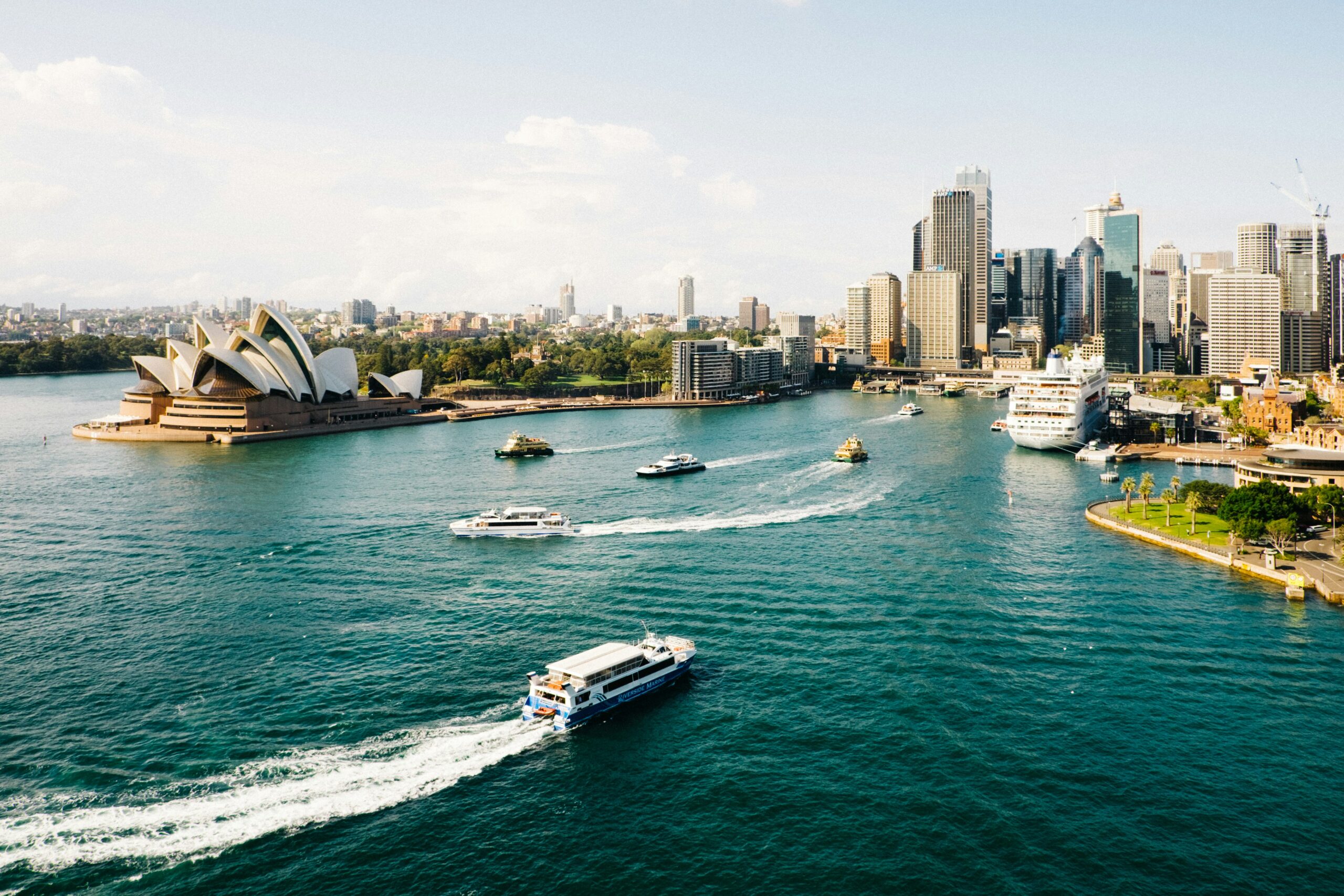
Moving to Australia requires particularly careful preparation. Australian authorities enforce some of the strictest biosecurity rules in the world: bicycles, hiking boots, gardening equipment, wooden furniture and anything stored outdoors must be thoroughly cleaned, declared and compliant with import requirements. Easygroupage arranges your international move, helps prepare your customs documentation and coordinates delivery of your personal belongings to Sydney, Melbourne, Brisbane, Perth, Canberra or elsewhere in Australia.
4.9
95 déménagés
97 to 112 jours
Moving to Australia
Moving to Australia requires particularly careful preparation. Australian authorities enforce some of the strictest biosecurity rules in the world: bicycles, hiking boots, gardening equipment, wooden furniture and anything stored outdoors must be thoroughly cleaned, declared and compliant with import requirements. Easygroupage arranges your international move, helps prepare your customs documentation and coordinates delivery of your personal belongings to Sydney, Melbourne, Brisbane, Perth, Canberra or elsewhere in Australia.
4.9
95 déménagés

Transit time: 97 to 112 jours

Preparing your move to Australia

Sort your belongings with Australian requirements in mind

Before moving to Australia, do not focus solely on the volume you need to ship. Australian authorities enforce particularly strict biosecurity rules: anything that has been in contact with soil, plants or outdoor environments may undergo a thorough inspection on arrival. Bicycles, hiking boots, camping equipment, tools, lawnmowers, strollers and garden furniture deserve special attention before you start packing.

Use this opportunity to identify what you will genuinely need in your new home. Items that are easy to replace locally or unsuitable for your plans can be left behind, reducing both shipping volume and unnecessary handling.

Check that your furniture and appliances are suitable

Australian homes sometimes have different layouts from French properties. Modern apartments in Sydney or Melbourne often have service areas, lifts and narrow access routes that make moving very large furniture difficult. Before shipping a large wardrobe, one-piece sofa or non-dismantlable bed base, check the dimensions of entrances and access routes at your destination.

Australia uses 230 V electricity at 50 Hz, compatible with most French appliances. However, Australian type I sockets require an adapter. For large appliances, compare the cost of shipping them with buying replacements after arrival.

Thoroughly clean everything you plan to ship

Cleaning is an essential step when moving from France to Australia. Inspectors pay particular attention to items that might carry soil, seeds, leaves, insects or organic residue. Shoe soles, bicycle wheels, garden tools, barbecues, golf clubs and camping equipment must be cleaned even in hard-to-reach areas.

  • Empty bags, tanks and grass collectors.
  • Remove every trace of soil, sand and vegetation.
  • Allow equipment to dry completely before packing.
  • Keep outdoor items separate so they can be checked before shipping.

Preparing in advance helps reduce the risk of extra inspections, mandatory cleaning and delays on arrival. If you are unsure about sensitive items, discuss them with your Easygroupage adviser before packing to anticipate import restrictions.

Customs & Documentation

Prepare a complete import file

When moving to Australia, the documents submitted to the authorities must match the identity shown on your passport exactly. Your file will generally include a copy of your passport, visa, bill of lading or air waybill, a detailed inventory in English and form B534 for unaccompanied personal effects. Spelling discrepancies, an incomplete address or an imprecise inventory can delay processing even before your belongings are inspected.

A detailed inventory also helps Australian authorities review your shipment. Clear descriptions reduce the likelihood of requests for clarification or additional checks.

Separate personal effects from potentially taxable goods

Personal belongings used overseas for a sufficient period may, subject to conditions, be imported free of duties and taxes. Recent purchases, new goods and items intended for commercial use must be declared separately. Keep invoices for valuable items and recent purchases in case supporting evidence is requested.

  • Identify recently purchased items before packing.
  • Keep receipts for valuable belongings.
  • Declare alcohol, tobacco and certain regulated medicines separately.
  • Arrange a separate import procedure for motor vehicles.

A car, motorcycle or other vehicle does not follow the same process as a standard household move. If you are considering international vehicle shipping, start the paperwork early.

Prepare for biosecurity inspections

In addition to customs formalities, Australia applies some of the world’s strictest biosecurity controls to protect against diseases, insects and invasive organisms. Untreated wood, bamboo, rattan, wicker, outdoor equipment, souvenirs made from natural materials and items that have been in contact with soil must be declared accurately.

Wooden pallets, crates and packing supports must comply with international phytosanitary standard ISPM 15. If an item is found non-compliant, authorities may require cleaning, treatment, re-export or, in some cases, destruction. Identifying sensitive items before packing allows Easygroupage to advise on admissibility and required documents. You can also read our guide to moving and customs procedures.

Starting from

1140 €
95+

Join the 1500+ expats who trusted us!

Adrien, a moving expert with 10 years of experience, knows this destination inside out!
Our team can assist you in:
🇫🇷 Français • 🇬🇧 English • 🇪🇸 Español • 🇮🇹 Italiano • 🇵🇹 Português • 🇦🇪 العربية

Practical advice for moving to Australia

“For Australia, I always ask customers to check everything that has been in contact with soil or stored in a garage, garden shed or outdoors. A seemingly clean lawnmower, mud under a bicycle or a pair of shoes forgotten at the bottom of a box can lead to additional inspection, cleaning or treatment on arrival. A few extra minutes of preparation before departure are better than several days of delay once the container arrives.”

Costs & Transit Times

The arrival port affects your moving costs

The budget for moving to Australia depends on the shipping volume and transport method, but also on your final destination. Sydney, Melbourne, Brisbane, Fremantle (serving Perth) and Adelaide are major ports of entry. Depending on where you settle, inland transport may account for a substantial part of the total cost because of Australia’s vast distances.

A move to Canberra, for example, requires onward road transport from Sydney, while a shipment to Perth generally follows a different sea route to the west coast. The nearest port is therefore not always the cheapest or fastest option.

Choose the shipping method that suits your volume

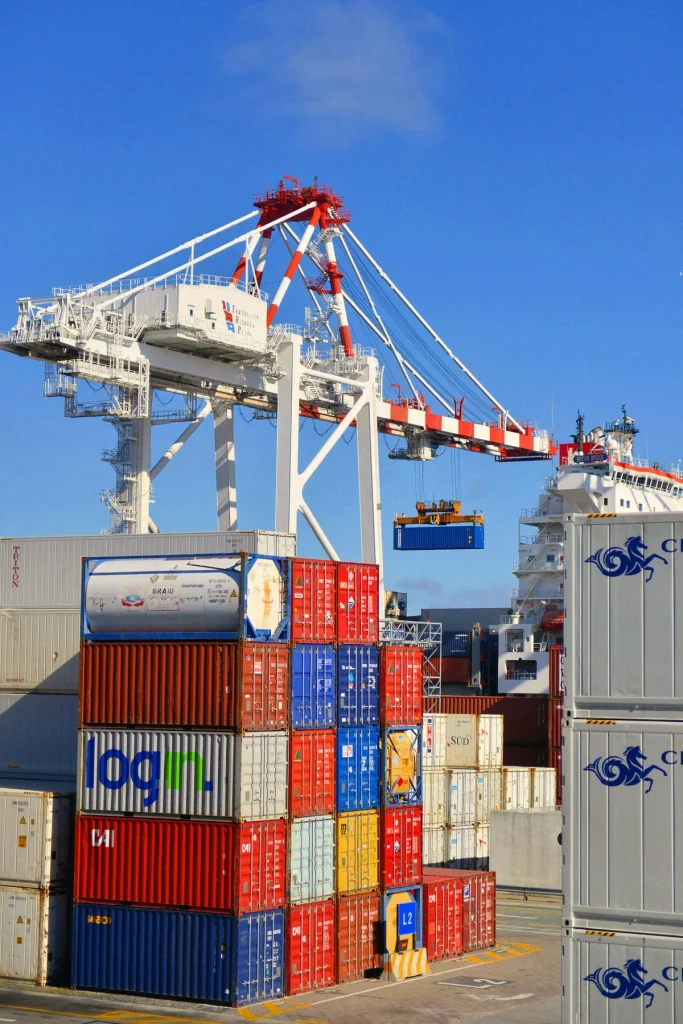
For smaller shipments, shared container shipping lets you share a container with other customers and pay only for the space you use. It is particularly suitable for moves to major Australian cities such as Sydney, Melbourne and Brisbane.

For larger volumes or tighter schedules, a dedicated shipping container provides greater flexibility around loading dates and reduces intermediate handling. The best option depends on volume, budget and your preferred timeline.

Allow enough time to settle in

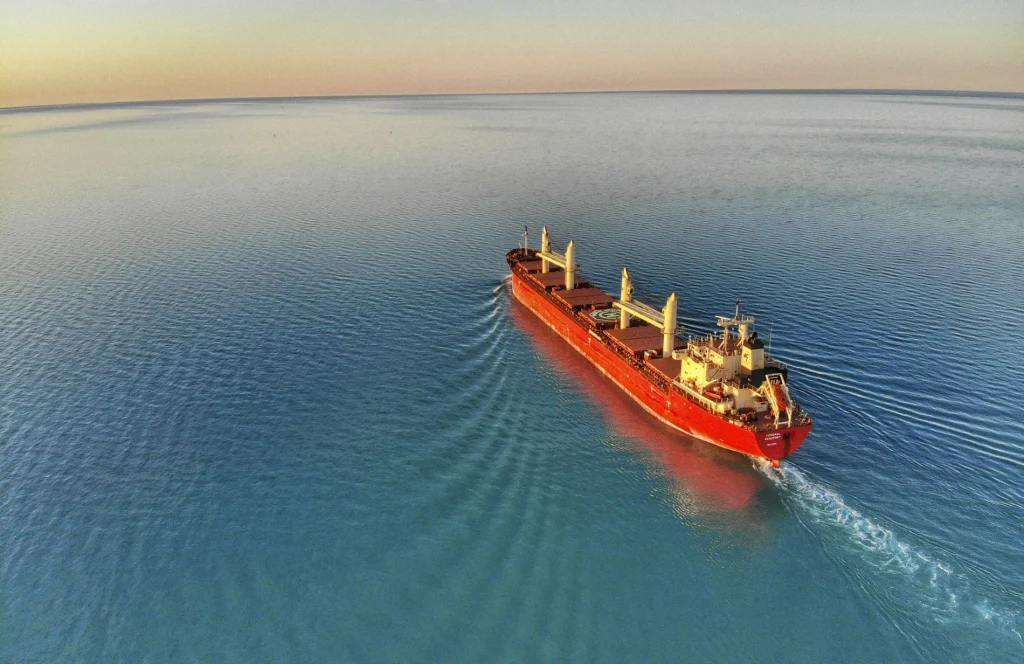
Sea freight between France and Australia generally takes several weeks. You must also allow for unloading, customs clearance, possible biosecurity inspections and delivery to your new home. An additional inspection can extend the time before your belongings are released.

  • Allow several weeks between your departure and delivery of your belongings.
  • Do not schedule your final move-in solely around the vessel’s estimated arrival date.
  • Anticipate busy periods that may extend logistics timelines.
  • Keep essential documents, clothes and belongings with you for the first few weeks.

Keep final-delivery costs under control

The last stage of your move can also affect your budget. In central Sydney or Melbourne, some buildings require a booked lift, a designated loading bay or a smaller vehicle for access. Share parking dimensions, access restrictions and building rules when requesting a quote to avoid unexpected delivery charges.

Moving & Settling In

Arrange delivery with your building management

In many modern apartment buildings in Sydney, Melbourne and Brisbane, deliveries must be scheduled several days in advance. The building manager or strata manager may require you to book a service lift, loading bay or specific delivery slot. Some buildings also require protection for shared areas or a temporary deposit.

Give Easygroupage this information before your container arrives so delivery can be planned around the building’s restrictions, avoiding a repeat trip or extra charges.

Check your belongings as soon as they arrive

During unloading, check each package against the shipping inventory and prioritise furniture, fragile items and boxes that were inspected. If you notice damage, keep the packaging, take photographs and promptly report it following your mover’s procedure. It is easier to carry out these checks during delivery than after the team has left.

Get your new home up and running gradually

Before plugging in electrical appliances, check their compatibility with the Australian network and use suitable type I plug adapters. Refrigerators and freezers transported on their sides should be left upright for several hours before switching them on. Take time to locate the electrical panel, socket switches and essential home systems, which may differ from those in French properties.

Account for local climate conditions

Australia spans several climate zones. Subtropical, humid Brisbane differs markedly from Melbourne, known for rapid weather changes, or Perth, where summers are particularly hot and dry. Once you have moved in, avoid leaving boxes in a garage, shed or area exposed to moisture or extreme heat for long periods. Unpack sensitive items first to protect them and make settling in easier.

What to Expect

A smooth, affordable and fully organised international move.

At Easygroupage, we take care of every aspect of your move, so you can focus on settling into your new home with peace of mind.

Choosing Easygroupage means choosing a reliable, transparent and responsible partner for your international move.

Explore our destinations in Oceania

Moving Solutions for Every Situation

Most of our customers are moving abroad. Others are shipping new furniture, inherited belongings or personal items to a second home. Whatever your situation, request a personalised quote.

*Available for selected destinations only.

Specialist Moving Services

What's Included in Our Services

What to Budget for Separately

Good to Know

Moving Insurance

All-risk insurance is required to protect your belongings during international transport.

Delivery Times

Sea freight transit times are estimates and may vary depending on port conditions and logistical disruptions.

Customs

Our teams help you navigate the administrative formalities required for your international move.

Plan your move to Australian cities

Frequently asked questions about moving to Australia

Import documents, biosecurity checks, restricted items, shipping times and preparing your belongings: find answers to the main questions before moving to Australia.

What documents do I need to move to Australia?

The paperwork generally includes a copy of your passport and visa, the bill of lading or air waybill, a detailed inventory in English and Australian form B534, used to declare unaccompanied personal effects. Sensitive goods (wood, outdoor equipment, animal or plant products, medication, food and similar items) must be described accurately to help with customs processing and any inspections. See our customs procedures guide for further guidance.

Do Australian authorities inspect every household shipment?

All household shipments may be checked by Australian biosecurity authorities, but the level of inspection varies according to the goods and declarations. Gardening, camping and sports equipment, wooden furniture, tools and anything that has been in contact with soil are among the items most likely to be examined. Non-compliant goods may require cleaning or treatment, or even re-export or destruction.

How should I prepare my belongings before moving to Australia?

Before packing your belongings, thoroughly clean bicycles, hiking boots, lawnmowers, tools, barbecues, garden furniture, strollers and camping equipment. Remove all soil, sand, seeds and plant matter, including from wheels, soles and mechanical parts. Make sure everything is completely dry before collection to reduce the risk of contamination.

Can I ship wooden furniture to Australia?

Yes, provided it is clean, in good condition and free of bark, insect damage or contamination. Untreated wood, bamboo, rattan, wicker and other plant-based materials may receive particular attention during inspections. Flag these items before your move so their admissibility and any treatment requirements can be checked in advance.

Which items are most strictly regulated when moving to Australia?

Food, seeds, plants, dried flowers, soil, animal products, certain medicines, alcohol, weapons and many natural items (shells, feathers, skins or handmade souvenirs) are subject to specific rules. Each relevant item must be declared accurately. A detailed description helps anticipate the required formalities and avoid delays during inspection.

Australia

Starting from

1140 €

Join the 1500+ expats who trusted us!

Message us on WhatsApp

Scan this code with your phone camera

EasyGroupage WhatsApp QR code

Prefer a quote?

Your move abroad

From

€1,000 all inclusive

or