All-Inclusive Moving
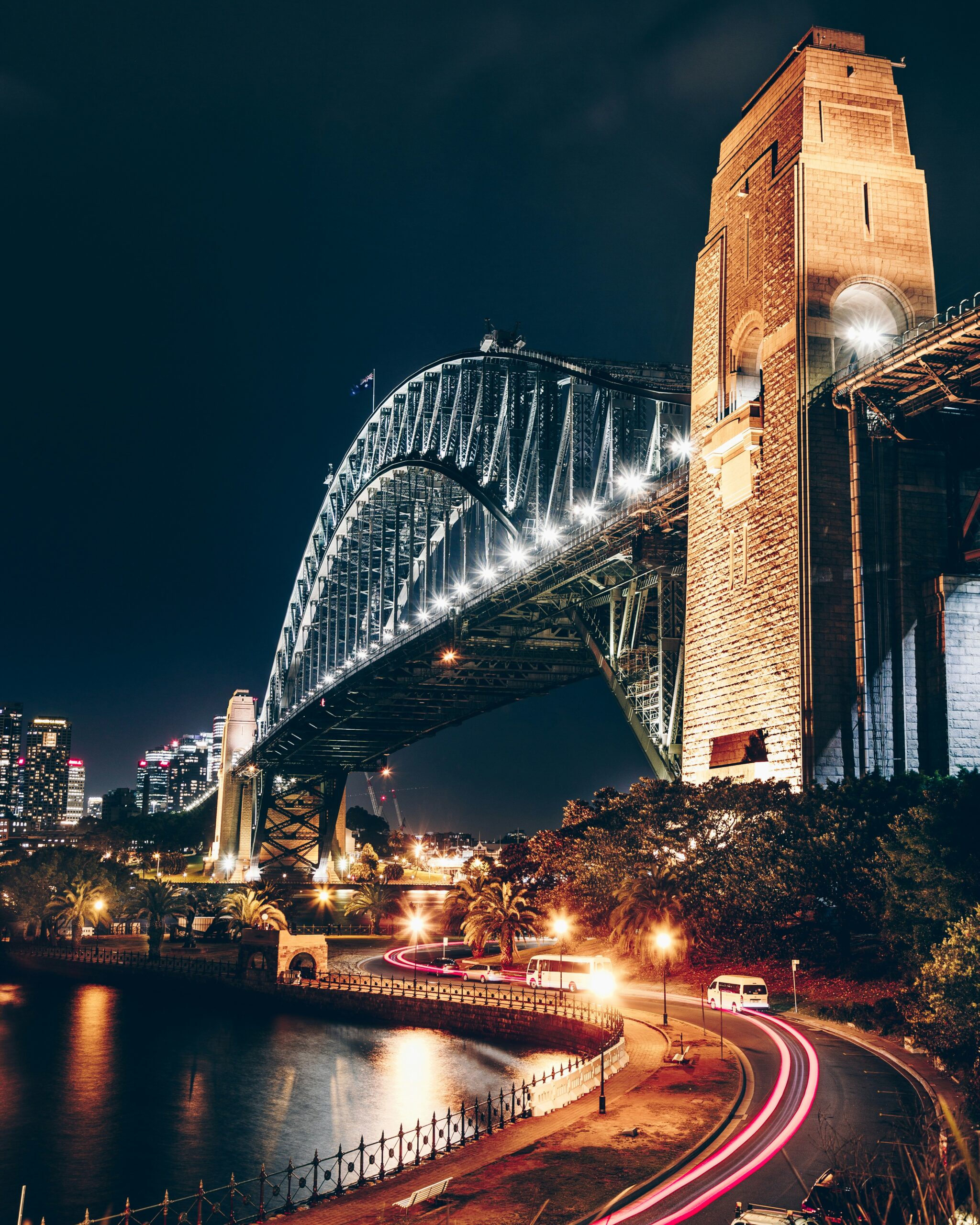
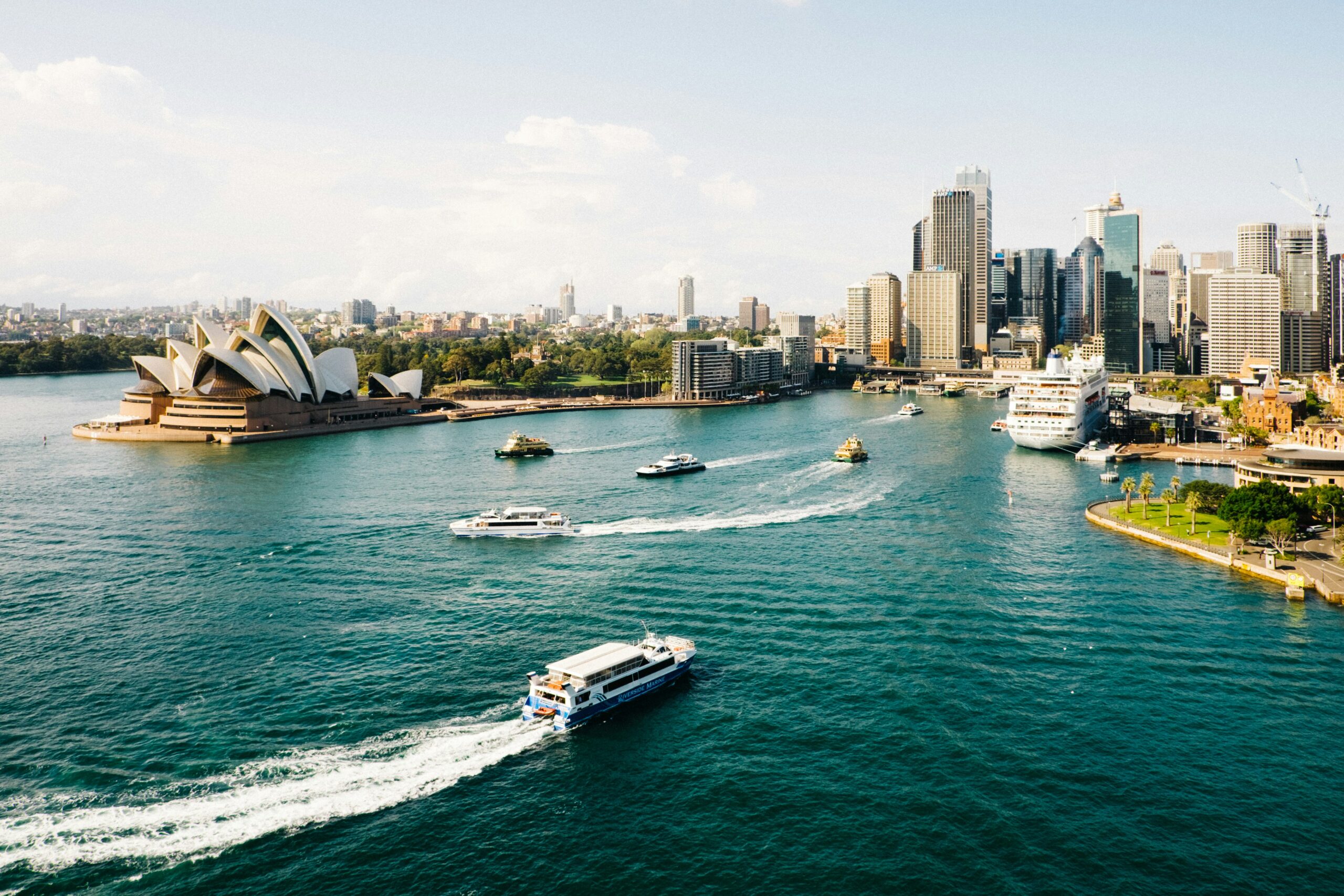
Planning a move to Sydney involves much more than shipping your belongings. The capital of New South Wales and Australia’s leading economic centre, Sydney stretches around a vast harbour where ferries, bridges, tunnels and rail lines shape daily travel. Across the Eastern Suburbs, North Shore, Inner West and Parramatta, even short distances can mean very different journey times. Choosing the right neighbourhood, transport connections, schools and home is therefore central to settling in successfully. This guide brings together Easygroupage’s practical advice and experience to help you prepare for life in Sydney.
Transit Time: 97 to 112 jours
A move to Sydney needs to be planned across Greater Sydney, a metropolitan area of more than 5.6 million people extending far beyond the City of Sydney. The harbour, bridges, tunnels, ferries and rail network strongly influence commuting. Before choosing a neighbourhood, identify your workplace, potential schools and the journeys you will make most often. For the overall process, see our guide to international moving.
Your options depend on shipment volume, delivery times and budget. For a full household move, moving by sea is generally the most cost-effective option. For smaller shipments, shared-container shipping lets you share container space with other customers and manage costs.
Before departure, check your visa conditions through Visa Entitlement Verification Online (VEVO). Apply for a Tax File Number (TFN) if you will work, and check whether you qualify for Medicare, Australia’s public healthcare system. Prepare identification, references and proof of income for rental applications: group inspections are common and desirable homes can be taken quickly.
Australian biosecurity rules aim to prevent pests, diseases and invasive species entering the country. Thoroughly clean wooden furniture, bicycles, garden tools, hiking shoes and camping equipment before shipment. Otherwise, inspections, treatment and extra fees may follow. Read more about customs formalities before your international move.
There is no single best place to live in Sydney. Your workplace, children’s schools and preferred transport matter more than the distance to the CBD. Harbour crossings, ferries, train lines and toll roads can make two nearby addresses very different in practice. For national relocation requirements, see our guide to moving to Australia.
French families often consider Maroubra, home to Lycée Condorcet, or Chatswood, valued for its schools, shops and train and Metro links. Finance professionals often favour the CBD, Barangaroo or North Sydney; technology jobs are also concentrated around Macquarie Park. Parramatta is increasingly a second business centre and may offer a more affordable balance between housing and employment.
In New South Wales, public-school eligibility is generally linked to your residential address. Use the official School Finder to check catchment boundaries before applying for a rental. Even homes on the same street can fall into different catchments.
Bondi is popular but relies heavily on buses; Manly offers a commuter ferry but road journeys can be longer. Strathfield, Epping and Chatswood have strong rail connections. Test your commute at peak times, allow for road tolls and visit during weekdays and weekends. Compare other cities in our guides to moving to Melbourne and moving to Brisbane.
Contact our international moving experts for free.
Via WhatsApp
Via Email
Via Phone
Starting from
Join the 1500+ expats who trusted us!
Adrien, a moving expert with 10 years of experience, knows this destination inside out!
Our team can assist you in:
🇫🇷 Français • 🇬🇧 English • 🇪🇸 Español • 🇮🇹 Italiano • 🇵🇹 Português • 🇦🇪 العربية
Housing is often the biggest expense when moving to Sydney. Rental competition is strong, group viewings are common and desirable properties can be let quickly. Rent is normally advertised per week: calculate an annual figure using 52 weeks before converting it to a monthly budget.
Check for damp, heating, insulation, windows, appliances and parking, and photograph each room at the condition inspection. Some older homes can feel surprisingly cold in winter. Make sure the bond (rental security deposit) is lodged through Rental Bonds Online, the New South Wales government service.
The Eastern Suburbs, Lower North Shore and central Sydney are among the most expensive areas. Parramatta, Liverpool and Penrith can offer more affordable rents but often longer commutes. Compare the full cost of transport, parking and toll roads rather than rent alone.
Alongside rent, account for the bond, electricity, gas, internet, insurance, road tolls and temporary accommodation. A few weeks of flexibility can help you avoid rushing into a poorly located or unsuitable property. If your move-in date changes, consider storage options while you arrange your new home.
In New South Wales, access to public schools generally depends on the residential address. Check the official School Finder before signing a lease. Catchment boundaries and admission arrangements can vary even within one street.
Sydney offers international, bilingual and internationally oriented schools. French families may consider Lycée Condorcet in Maroubra. Compare curricula, tuition fees, availability and your expected length of stay before making a decision.
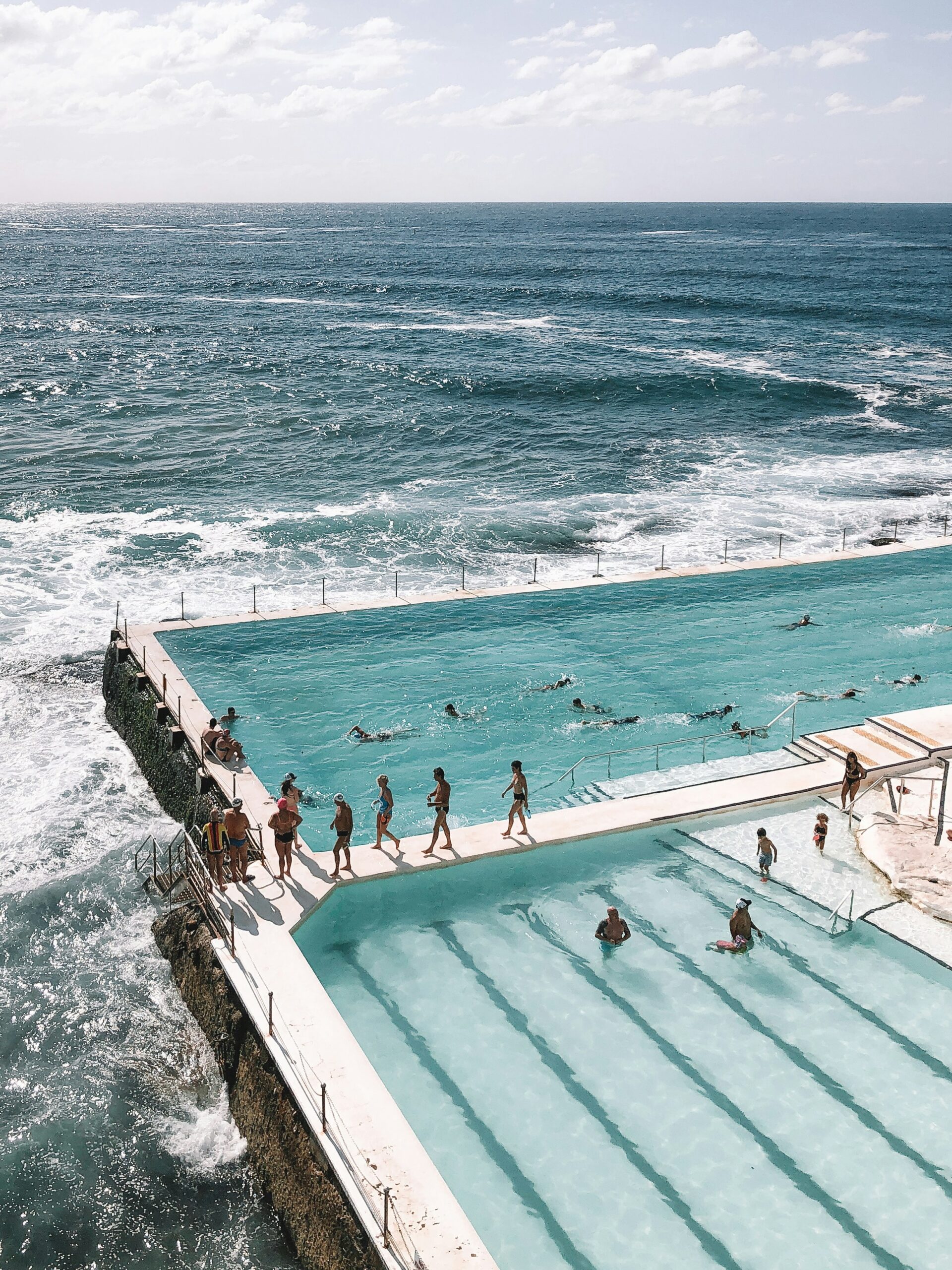
Many Sydney neighbourhoods offer parks, beaches, sports facilities and libraries. Chatswood, Lane Cove, Randwick and Strathfield are often considered for their combination of schools, transport and services. The right balance between everyday journeys, lifestyle and budget matters most.
Depending on your visa and circumstances, budget for possible school fees, childcare, after-school activities, healthcare cover and transport. Childcare places in popular neighbourhoods may require early applications. Checking these costs before your move to Sydney can make settling in much easier.
Sydney is a major centre for Australian and international businesses. Its economy spans finance, professional services, technology, healthcare, universities, construction, media, logistics and tourism, attracting skilled workers and international families.
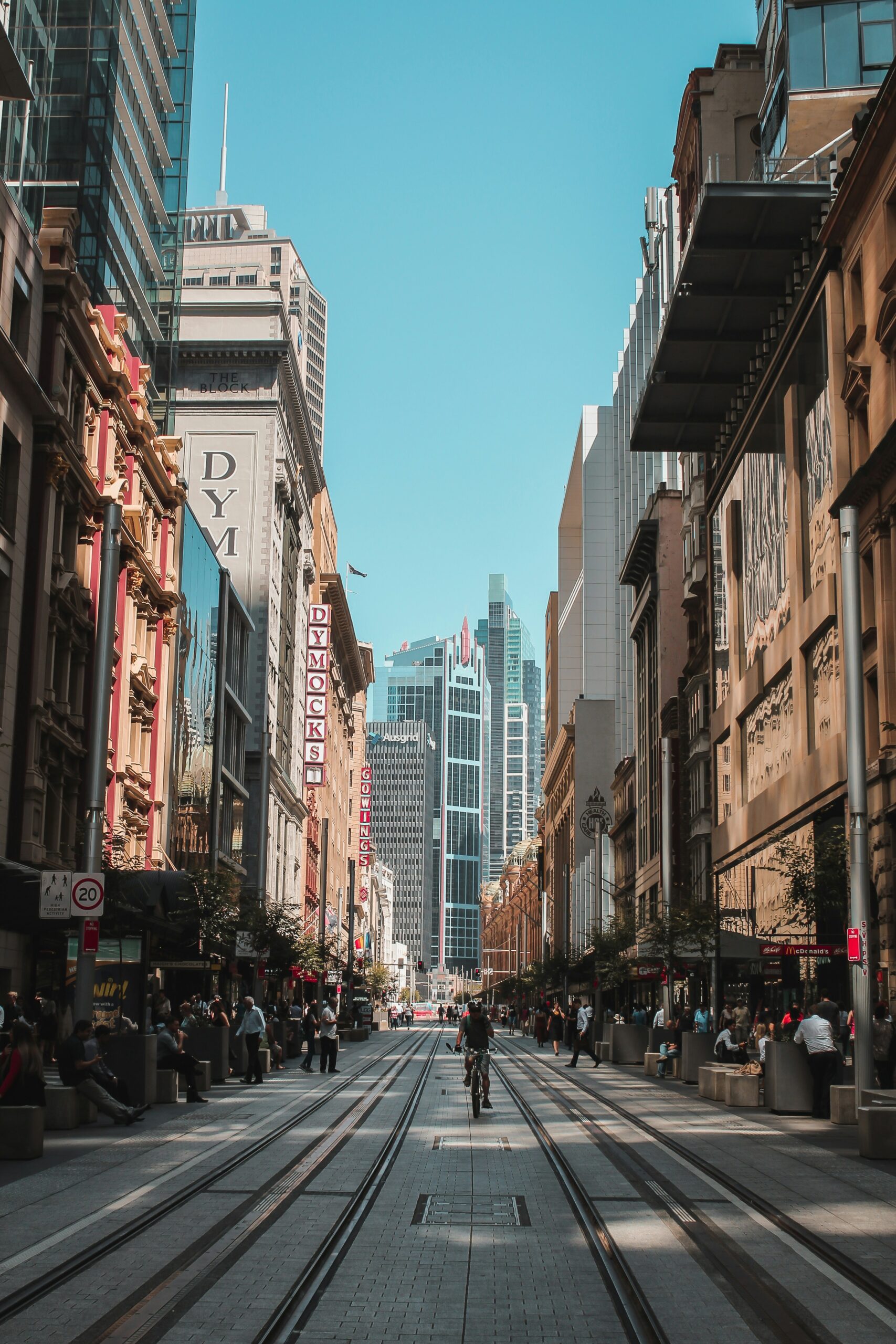
The Central Business District (CBD) remains important for banking and consulting. Barangaroo hosts international companies; North Sydney is a major corporate and services hub; Macquarie Park is known for technology and research; and Parramatta continues to grow as a second centre for business, public services and infrastructure.
Harbour crossings, toll roads and transport connections can make a short distance surprisingly time-consuming. Compare door-to-door journeys before choosing a home. Being near a rail station or ferry wharf may be more valuable than living closer to the CBD.
Depending on your occupation, you may need to have qualifications recognised, check licensing rules or strengthen your English before arrival. Confirm your visa’s work conditions and start any required formalities early to support a smoother relocation to Sydney.
Sydney’s network includes trains, Sydney Metro, buses, ferries and light rail. Ferries are an everyday commuting option for many harbour-side residents. Fares are commonly paid using an Opal card or eligible contactless payment across the Transport for NSW network.
Travel times depend on rail lines, transfers, the Harbour Bridge and toll roads as much as distance. Use the official Transport for NSW trip planner at peak times before signing a lease. A pleasant neighbourhood may still be inconvenient for your regular journeys.
In the CBD, North Sydney, Chatswood, Surry Hills and areas close to major rail routes, many residents can manage without a car. It can be more useful in parts of the Northern Beaches, Western Sydney and outer suburbs. Consider parking, insurance and tolls before shipping a vehicle; Easygroupage also offers international vehicle shipping.
Delivery may require booking a loading bay, lift or time slot, especially in high-rise buildings. Narrow streets, steep approaches and local traffic restrictions can also affect access. Share these details with your moving team in advance to help ensure a smooth arrival.
Before moving to Sydney, questions about housing, schools, transport, budgets and Australian biosecurity come up regularly. Here are the key answers to help you prepare.
It depends mainly on your workplace, your children’s schools and commuting times. Chatswood, Lane Cove and Strathfield are popular for their schools and transport links. Maroubra attracts French families thanks to Lycée Condorcet, while Parramatta can offer a better balance between housing costs and employment in western Sydney.
Australian rents are usually quoted per week. For a monthly budget, multiply the weekly rent by 52 and divide by 12 rather than simply multiplying by four. Remember to allow for the rental bond, utilities, electricity, internet and any regular road tolls.
Not always. In New South Wales, school fees can depend on your visa category. Check your eligibility and any charges with the Temporary Residents Program before choosing a home, as your address also determines the local public-school catchment.
Yes, especially in well-connected areas such as the CBD, Surry Hills, Chatswood and North Sydney, served by trains, Sydney Metro and ferries. A car can be more useful in the Northern Beaches, parts of Western Sydney and some outer suburbs. Check real journeys using Transport for NSW before signing a lease.
Australia enforces strict biosecurity requirements. Wooden furniture, garden tools, bicycles, shoes, camping equipment and anything exposed to soil must be thoroughly cleaned. Non-compliant goods may require inspection or treatment, causing delays and extra charges.
Starting from
Join the 1500+ expats who trusted us!

We waited to make sure you were interested in the content of this site before interrupting, but we'd love to accompany you during your visit... Is that okay with you?
Scan this code with your phone camera
Prefer a quote?
From
€1,000 all inclusive