À partir de 1140 €

All-Inclusive Moving

Moving to Brisbane

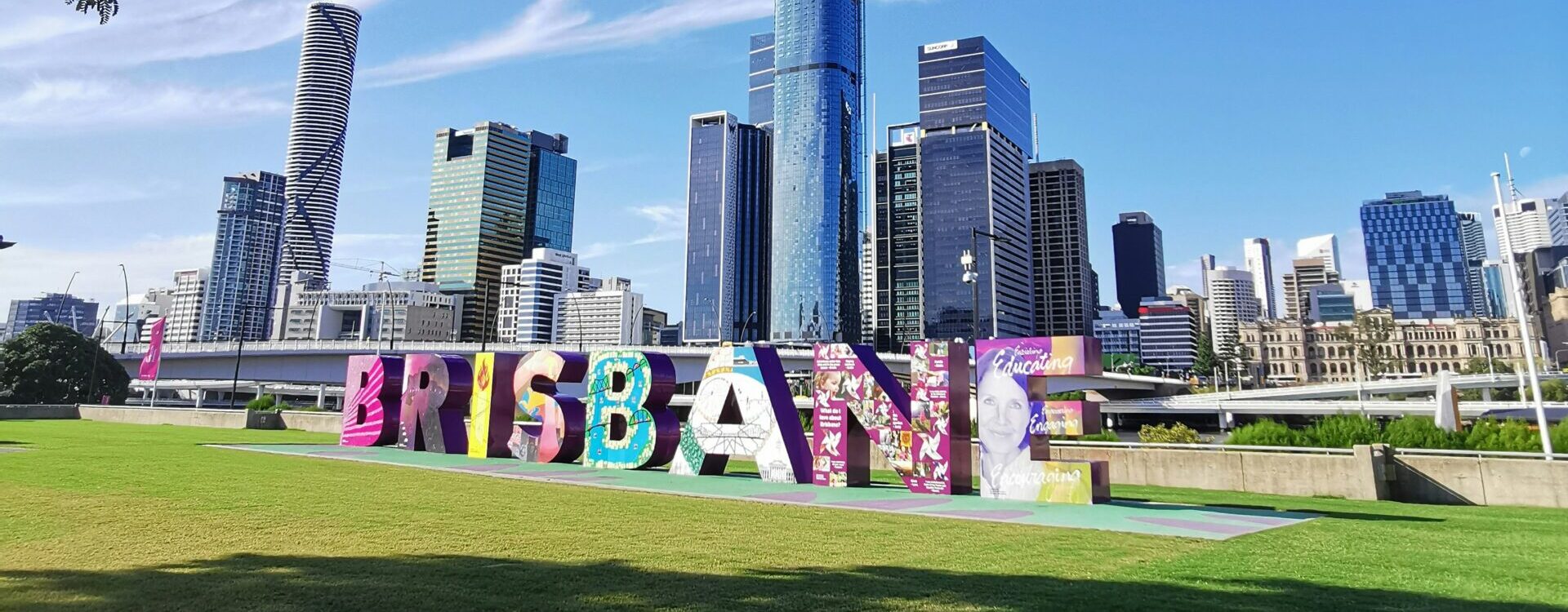
Moving to Brisbane involves more than arranging the shipment of your belongings. Queensland’s capital attracts expats with its subtropical climate, a more relaxed pace of life than Australia’s largest cities, and a thriving economy. But settling in successfully means planning for distinctly local factors: choosing between the northside and southside, Greater Brisbane’s rapid growth, flood risks at individual addresses, school catchment areas, car dependency in some suburbs and summer heat. For an overview of moving logistics across the country, see our guide to moving to Australia. This guide helps you plan your move to Brisbane, drawing on Easygroupage’s international moving experience and practical knowledge of local conditions.
4.9
95 déménagés
97 to 112 jours
Moving to Brisbane
Moving to Brisbane involves more than arranging the shipment of your belongings. Queensland’s capital attracts expats with its subtropical climate, a more relaxed pace of life than Australia’s largest cities, and a thriving economy. But settling in successfully means planning for distinctly local factors: choosing between the northside and southside, Greater Brisbane’s rapid growth, flood risks at individual addresses, school catchment areas, car dependency in some suburbs and summer heat. For an overview of moving logistics across the country, see our guide to moving to Australia. This guide helps you plan your move to Brisbane, drawing on Easygroupage’s international moving experience and practical knowledge of local conditions.
4.9
95 déménagés

Transit Time: 97 to 112 jours

Planning Your Move to Brisbane

Plan your move before departure

Moving to Brisbane involves much more than shipping your belongings. Queensland’s capital is growing rapidly, putting pressure on housing, infrastructure and some services. Before leaving, plan your budget, identify suburbs that suit your lifestyle and choose a shipping solution appropriate for your volume. For a smaller shipment, explore our small international moves service. If this is your first move abroad, our guide to international moving explains the key stages of a successful relocation.

Choose the right shipping option

Your shipping method will depend primarily on the volume of furniture, your preferred delivery time and your budget. For a complete household move to Brisbane, moving by sea is generally the most economical solution. Smaller shipments can travel by shared container, allowing you to share container space with other people relocating overseas and reduce shipping costs. For a household requiring its own container, compare this with full container load (FCL) shipping.

Allow time to settle in

Spending a few days in Brisbane before committing to a permanent home can help you avoid choosing the wrong suburb. Many expats start with temporary accommodation so they can compare neighbourhoods, test actual commute times and get a feel for this sprawling city. It is also an opportunity to check details easily overlooked during a remote viewing: air conditioning, ventilation, insect screens, sun exposure, humidity and the immediate surroundings.

Prepare for your first administrative steps

Your first days will often involve applying for a Tax File Number (TFN), opening a bank account and checking your eligibility for Medicare, Australia’s public healthcare system, depending on your visa. Families should coordinate their housing search with the relevant school catchment, the geographic area used to determine access to certain state schools. Before settling in, check the customs requirements applicable to your move and the flood risk at your prospective address, a particularly important consideration in Brisbane.

Best Places to Live in Brisbane

Understand Brisbane’s layout before choosing a suburb

In Brisbane, distance to the Central Business District (CBD) is not enough to judge a location. The Brisbane River, bridges, busways and railway lines all shape daily journeys. A home just a few kilometres from the centre may have a longer commute than a more distant but better-connected suburb. Before signing a lease, test your routes at your usual travel times and consider whether you can realistically live in Brisbane without a car.

Find the best places to live in Brisbane for your lifestyle

Central suburbs such as South Brisbane, West End, New Farm, Fortitude Valley and Toowong appeal to expats hoping to rely less on a car, thanks to trains, buses and CityCat ferries. Families often look at residential areas such as Indooroopilly, Bulimba, Ascot and Carindale, which offer a balance of lifestyle, schools and green spaces. Sunnybank is also popular with international residents for its cultural diversity and many Asian shops and restaurants.

Choose a suburb that suits your work or studies

Needs vary considerably by profession. Students often choose St Lucia, near the University of Queensland (UQ), or Kelvin Grove, close to Queensland University of Technology (QUT). Healthcare professionals frequently look towards Herston, while people working at Brisbane Airport, the Port of Brisbane or logistics hubs may prefer Hamilton, Ascot or eastern suburbs.

Do not overlook local conditions

Two neighbouring properties can offer very different living conditions. Before committing, check the school catchment if you have children, consult official flood-risk maps and, if possible, visit after heavy rain. In a fast-growing metropolitan area, it also helps to know which local council covers the property, as services and development plans vary between Brisbane City, Logan, Moreton Bay and Ipswich. If you are comparing Australian destinations, our guide to moving to Australia outlines the main differences between the country’s major cities. You can also explore our guides to Sydney and Melbourne.

Starting from

1140 €
95+

Join the 1500+ expats who trusted us!

Adrien, a moving expert with 10 years of experience, knows this destination inside out!
Our team can assist you in:
🇫🇷 Français • 🇬🇧 English • 🇪🇸 Español • 🇮🇹 Italiano • 🇵🇹 Português • 🇦🇪 العربية

Main Services

Living in Brisbane

Housing, cost of living, jobs, schools, transport and practical advice: explore the essential information for settling in and enjoying everyday life in Brisbane.

Housing and Cost of Living

A competitive rental market

Brisbane’s housing market has tightened considerably as its population has grown and more residents have arrived from elsewhere in Australia and overseas. Desirable properties can be rented very quickly, and inspections may attract many applicants. Before departure, prepare your rental application documents (identity, visa, proof of income and references) so you can apply promptly. If your arrival is staggered, our storage service can hold your belongings until you are ready to move into your permanent home.

Choose a home that suits life in Brisbane

Rents in Brisbane are generally advertised per week. Beyond the price, comfort depends on access to transport, whether you need a car, sun exposure, air conditioning, natural ventilation, insect screens and the property’s overall condition. Traditional Queenslander houses, known for their elevated design and wide verandas, are charming but may have limited insulation on winter nights.

Budget for all your moving and living costs

The cost of living in Brisbane goes well beyond rent. Allow for the bond, Queensland’s regulated rental security deposit, as well as electricity, water, internet, home insurance and, in many suburbs, car-related expenses. Families may also face significant annual childcare, extracurricular activity or private-school costs.

Avoid common housing mistakes

One of the most common mistakes is choosing a property based only on its price or apparent proximity to the city centre. In Brisbane, travelling a few extra kilometres may provide a better balance of space, schools and everyday quality of life. Before signing a lease, check flood exposure, air conditioning, internet connectivity and real commute times. These factors often matter more to your long-term comfort than rent alone.

International Schools and Family Life

Choose your home with school catchments in mind

For many expat families, schooling directly influences where they live. In Queensland, many state schools use a school catchment, a defined geographic area that determines enrolment priority. Before signing a lease, make sure the address falls within your preferred school’s catchment and check the admission rules for your circumstances.

School options for international families

Brisbane offers a wide range of state, private and faith-based schools, alongside international education options for children arriving from overseas. Families often seek suburbs that balance schools, transport links and quality of life. Start researching early, as sought-after schools may have limited places.

A family-friendly city

Brisbane attracts families with its residential neighbourhoods, parks, sporting facilities and climate, which makes outdoor activities possible for much of the year. Many suburbs have sports grounds, playgrounds, council libraries and facilities for children. Moreton Bay, the Gold Coast and the Sunshine Coast also provide plenty of weekend options.

Make the first few weeks easier

Your first months will be about finding a new balance between school, work and transport. Before choosing a home, assess daily travel times, public transport schedules, extracurricular activities and nearby services. This helps you build a sustainable family routine suited to living in Brisbane, rather than choosing a property simply because it is close to the CBD.

Discover Australia’s Major Cities

Jobs and Businesses in Brisbane

An economy driven by Queensland’s growth

Queensland’s capital has a diverse economy spanning public administration, healthcare, education, engineering, construction, technology, logistics and business services. Rapid population growth and investment linked to the 2032 Olympic and Paralympic Games are also supporting infrastructure development and demand for workers in several industries.

Employment hubs across Greater Brisbane

The Central Business District (CBD) concentrates administrative, financial and corporate headquarters functions. Other important hubs include Herston for healthcare and medical research, St Lucia and Kelvin Grove for universities, Fortitude Valley and Newstead for technology and creative businesses, and Brisbane Airport, Eagle Farm and the Port of Brisbane for logistics and transport.

Choose housing around your workplace

In Brisbane, even a few kilometres can make a substantial difference to commute times. The Brisbane River, limited crossing points and the scale of Greater Brisbane can make journeys longer than a map suggests. Before choosing where to live, estimate travel times during your normal working hours to balance housing costs, transport and quality of life.

Prepare for working in Australia

Although Brisbane attracts many international professionals, it is advisable to organise your job search before arrival and check the requirements for your profession. Regulated occupations may require formal recognition of qualifications. Strong English-language skills are generally essential for professional administration and integration into the Australian workplace.

Getting Around and Settling into Daily Life

Transport options vary widely by suburb

Brisbane offers several ways to get around, but their usefulness depends heavily on where you live. Central areas benefit from trains, buses, busways and CityCat ferries operating on the Brisbane River. In much of Greater Brisbane, however, a car remains the most practical option, particularly for trips between suburbs, family activities and jobs on the outskirts.

The Brisbane River shapes daily life

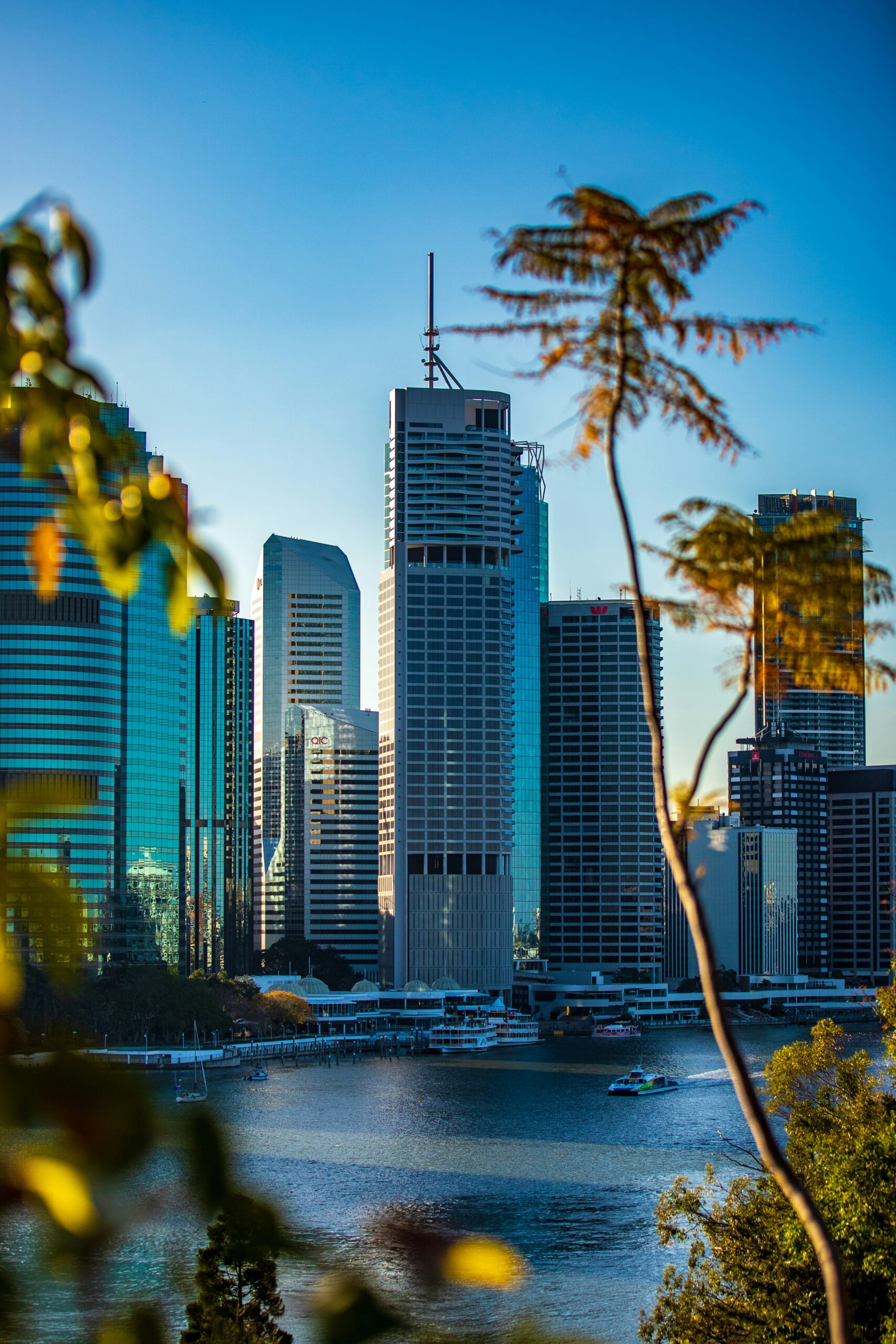
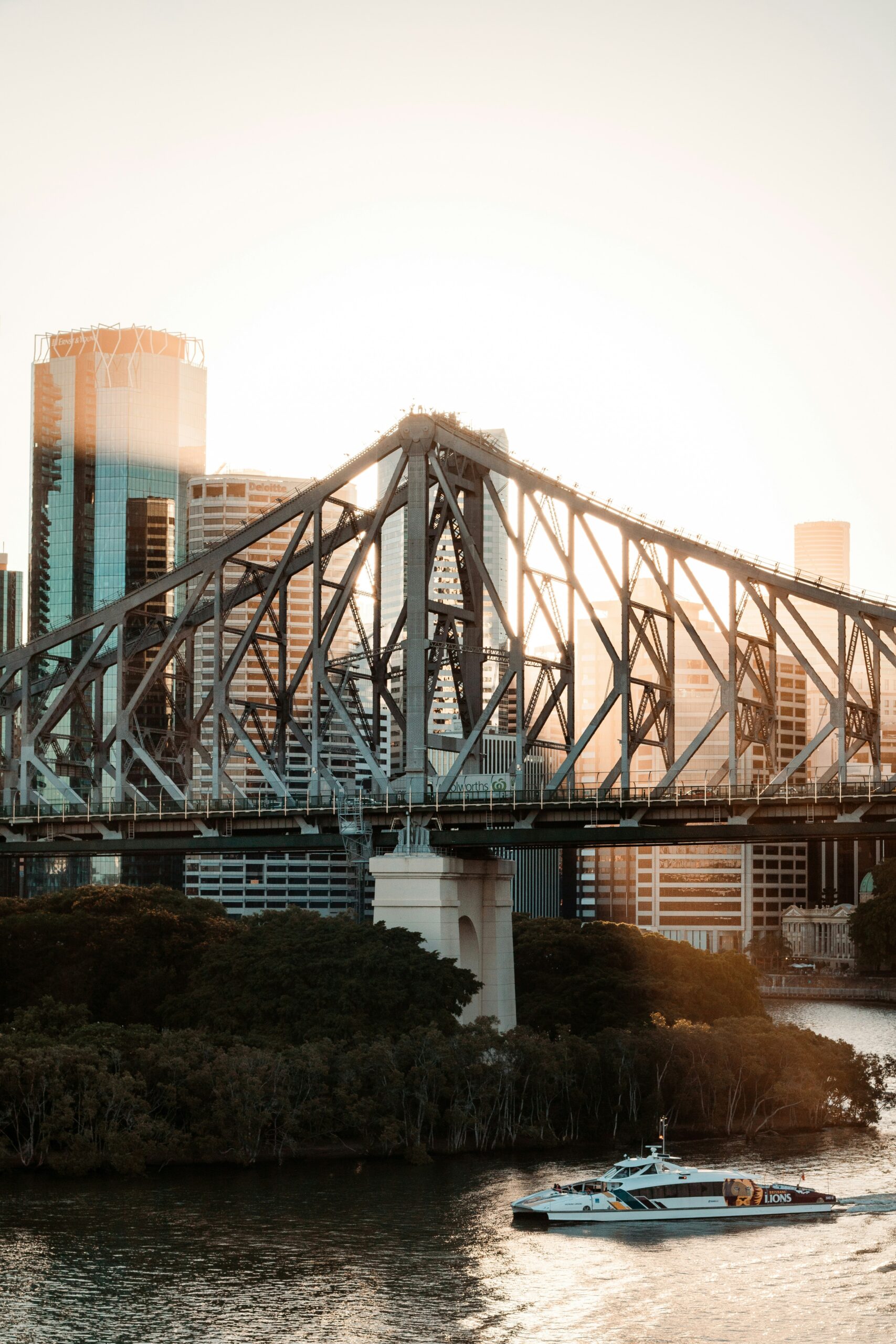
The river is one of the city’s defining landmarks, but also a major transport constraint. A limited number of bridges concentrates traffic during rush hour, and two suburbs close as the crow flies may require a lengthy detour. Before choosing a home, test real journeys at your normal work times to avoid long daily commutes.

Find your feet in the city

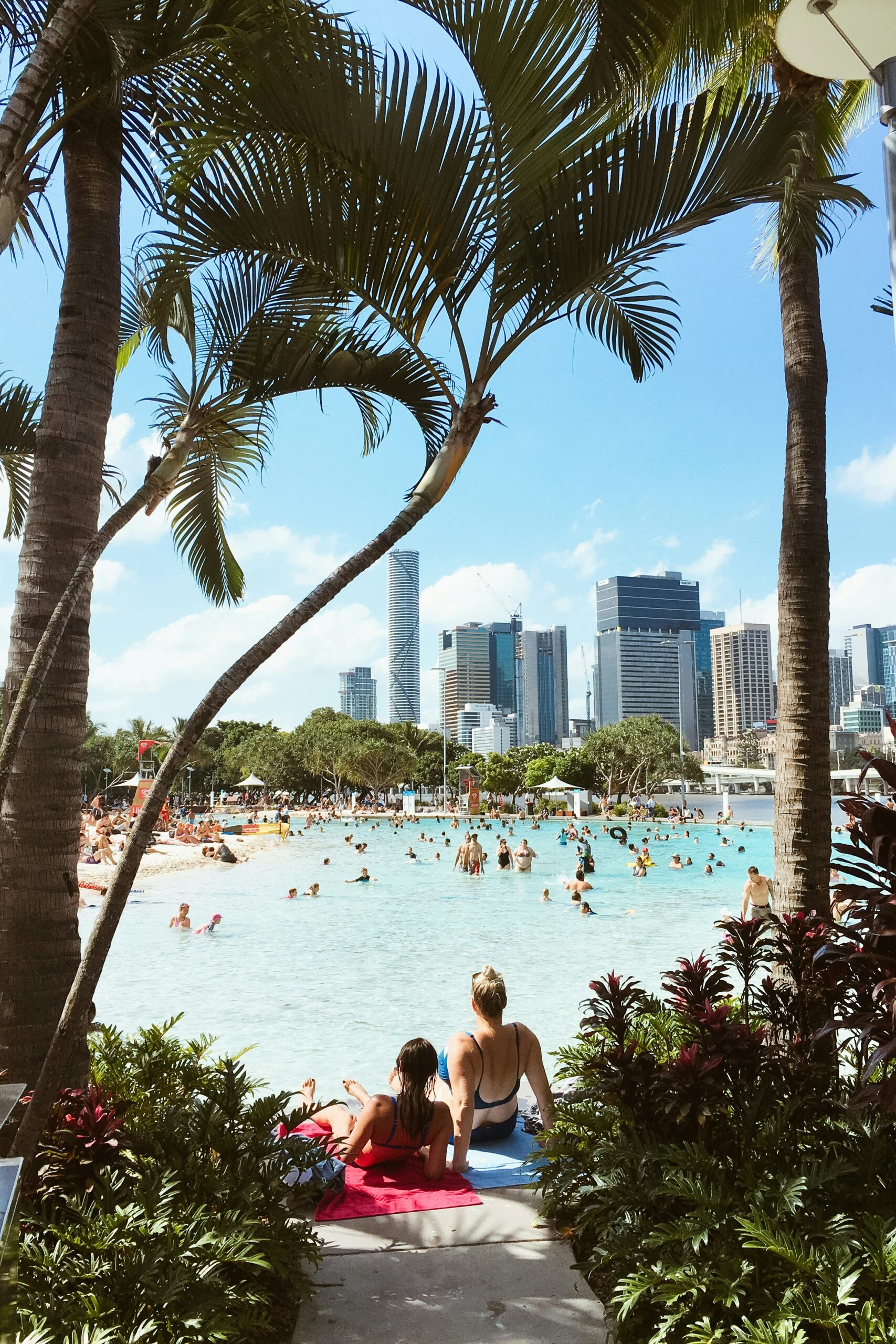
The first few weeks are a chance to discover local habits and gradually establish a routine. Neighbourhood markets, council libraries, sports clubs and numerous parks can make it easier to meet people. Riverside public spaces, cycle paths and community facilities contribute to the quality of life enjoyed by many expats in Brisbane.

Adapt to the subtropical climate

Daily life in Brisbane is closely tied to the weather. Summer heat, humidity, storms and high UV levels mean adjusting habits, especially for outdoor activities. When moving in, check air conditioning, ventilation and mosquito protection. During the wet season, follow local authority updates about severe weather and flood risks.

Explore More Destinations in Oceania

Frequently Asked Questions About Living in Brisbane

Before moving to Brisbane, many future expats have similar questions about choosing a suburb, flood risks, schools, transport and moving arrangements. Here are answers to the most common concerns.

Should you live on the northside or southside of Brisbane?

The best choice depends mainly on where you work, where your children go to school and your daily journeys. The Brisbane River strongly shapes traffic patterns, and bridges can be busy during rush hour. Before renting, test actual journey times rather than relying solely on distances shown on a map.

How can you check whether a home is at risk of flooding?

Two nearby properties in Brisbane can face very different flood risks. Before signing a lease or buying, consult Brisbane City Council’s Flood Awareness Map, then check access roads, parking, potential overland flow paths and insurance conditions. This is particularly important during the heavy-rain season.

Do school catchment areas really matter?

Yes. Many Queensland state schools use school catchment areas to determine enrolment priority. Before choosing a home, check that its address falls within your preferred school’s catchment and contact the school directly about admission requirements for your circumstances.

Can you live in Brisbane without a car?

Yes, particularly in well-connected suburbs such as South Brisbane, West End, New Farm, Toowong and the CBD, where trains, buses, CityCat services and ferries make travel easier. However, in many parts of Greater Brisbane, particularly around Logan, Moreton Bay and Ipswich, a car quickly becomes essential for daily journeys and family life.

What should you plan for when moving internationally to Brisbane?

Beyond shipping and customs formalities, plan access to your property, truck parking, any lift reservations required by apartment buildings and the challenges of Brisbane’s subtropical climate. Preparing these details in advance helps avoid unexpected problems on delivery day.

Brisbane

Starting from

1140 €

Join the 1500+ expats who trusted us!

Message us on WhatsApp

Scan this code with your phone camera

EasyGroupage WhatsApp QR code

Prefer a quote?

Your move abroad

From

€1,000 all inclusive

or